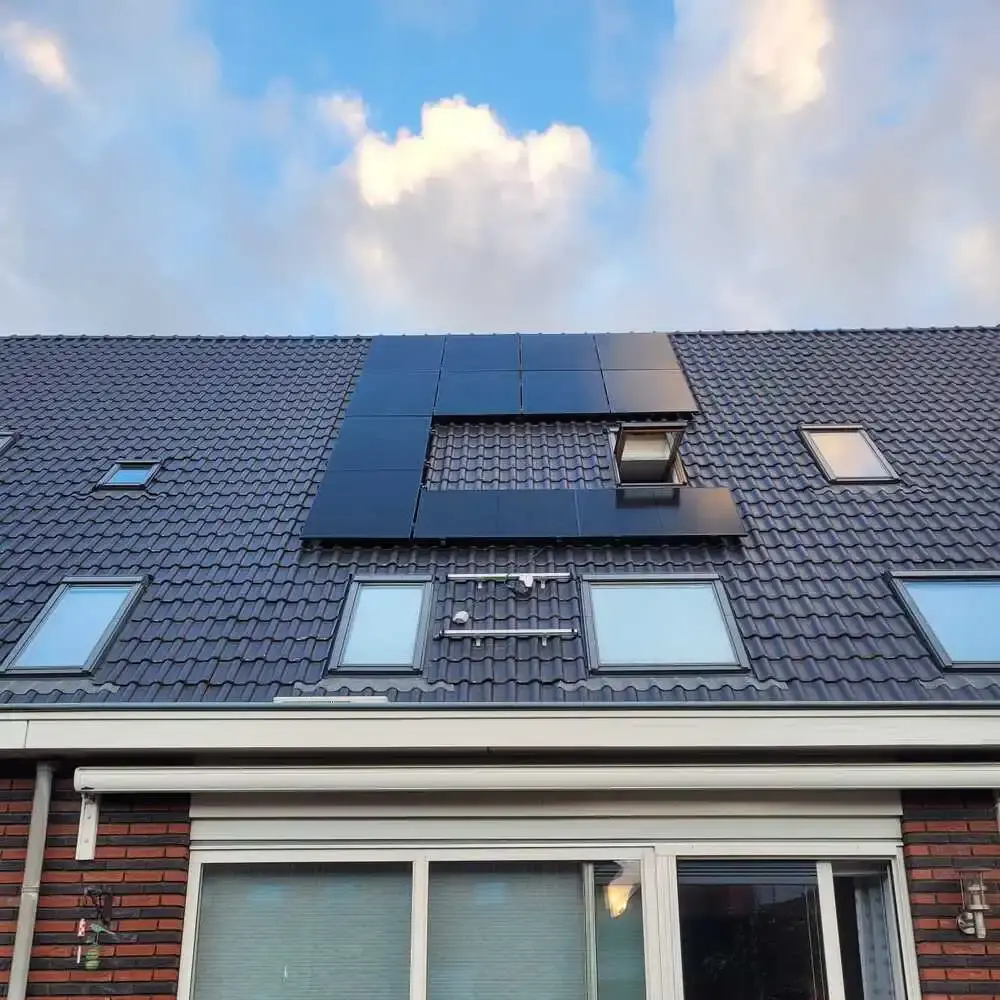
A home battery stores solar power for later use. No more worries about fluctuating energy prices. You are assured of a constant, sustainable energy supply in your home. Shift to Solar offers efficient energy storage solutions tailored to your system and needs. Enquire about the possibilities!
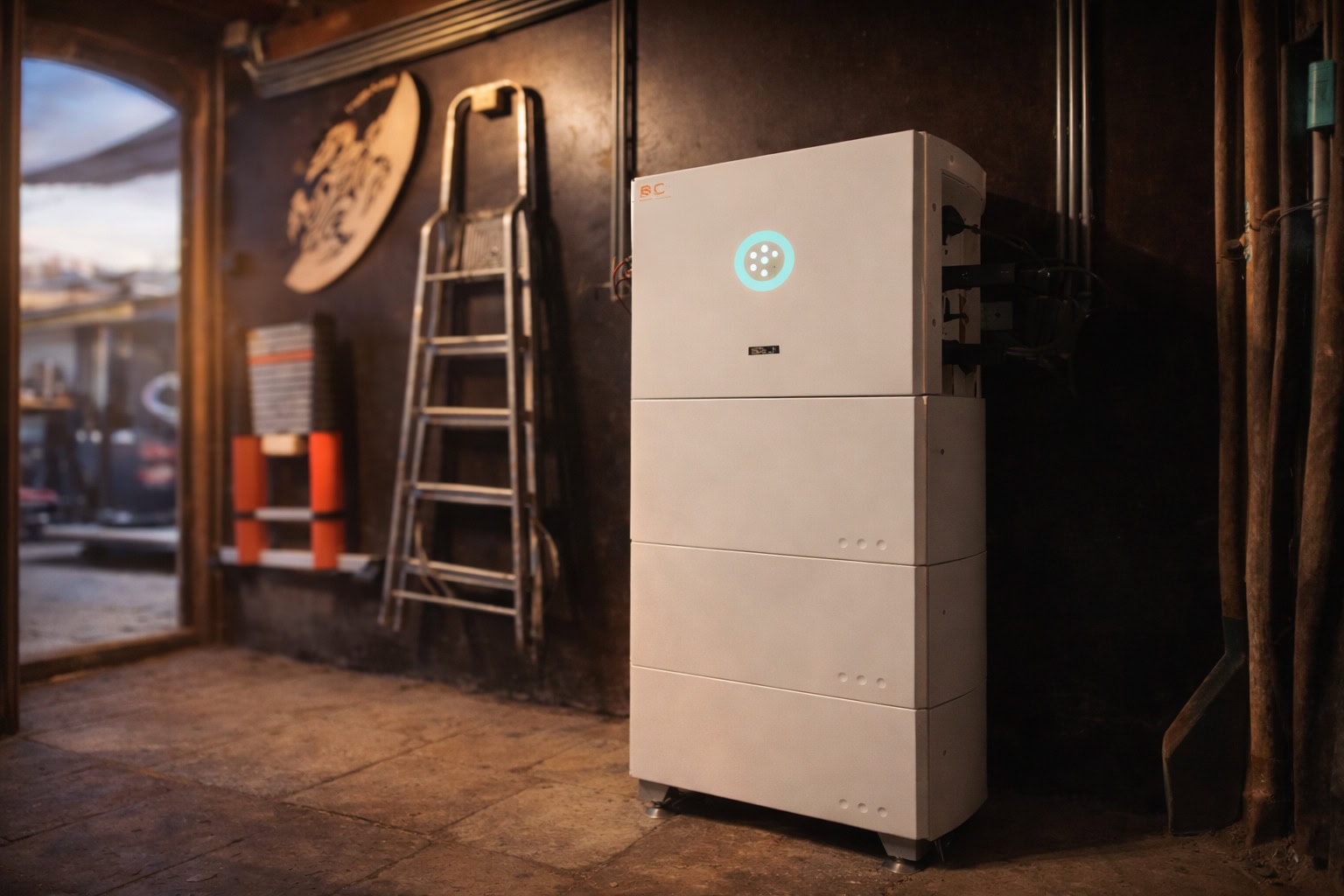
From 1 January 2027 the net-metering scheme will end. This means that you can no longer offset generated electricity against your consumption. You will still receive compensation for the electricity you sell back, but it will be lower than the price you pay for electricity from the grid. So every kilowatt-hour you feed back yields less than when you use it yourself.
With a home battery you store your own solar energy and use it when you need it. This way, you avoid supplying cheap power back and having to buy more expensive power later. You get more return from your solar panels and increase your grip on your energy costs.
Want to know what this means for your situation? Request a no-obligation quote or contact us. We will contact you personally within 24 hours for expert advice.
On average, you use about 30% of the energy produced by your solar panels. A waste, right? With a home battery, that goes to over 60 per cent. Instead of 'wasting' this excess energy, your home battery stores it. This way, you always have a supply of self-generated electricity available. Only when the battery is empty do you automatically switch to power from the grid.
Using a home battery during peak hours is advantageous because you can use the solar energy stored during the day when energy prices are higher. This way, you are not dependent on more expensive grid power during peak and evening hours.
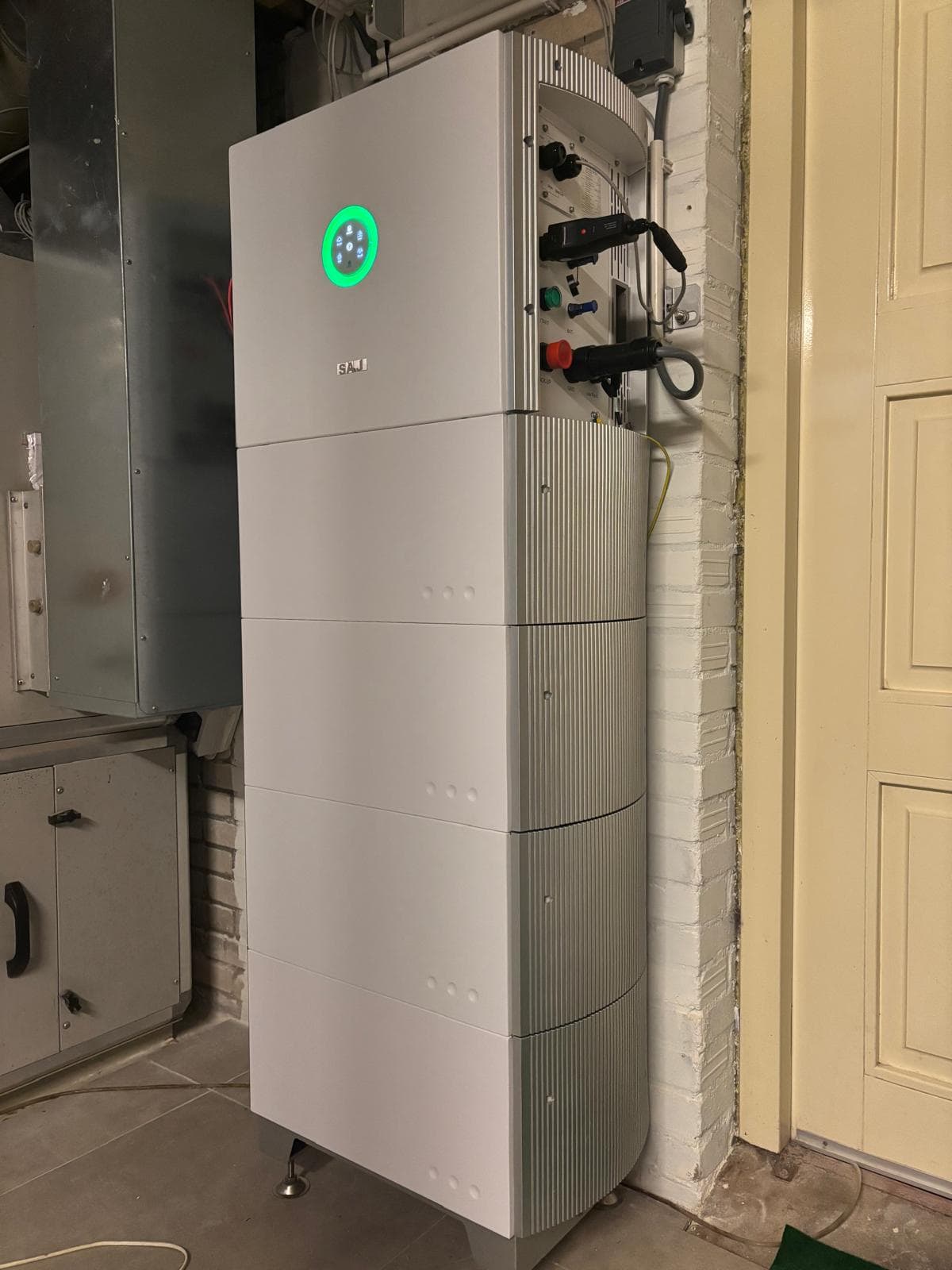
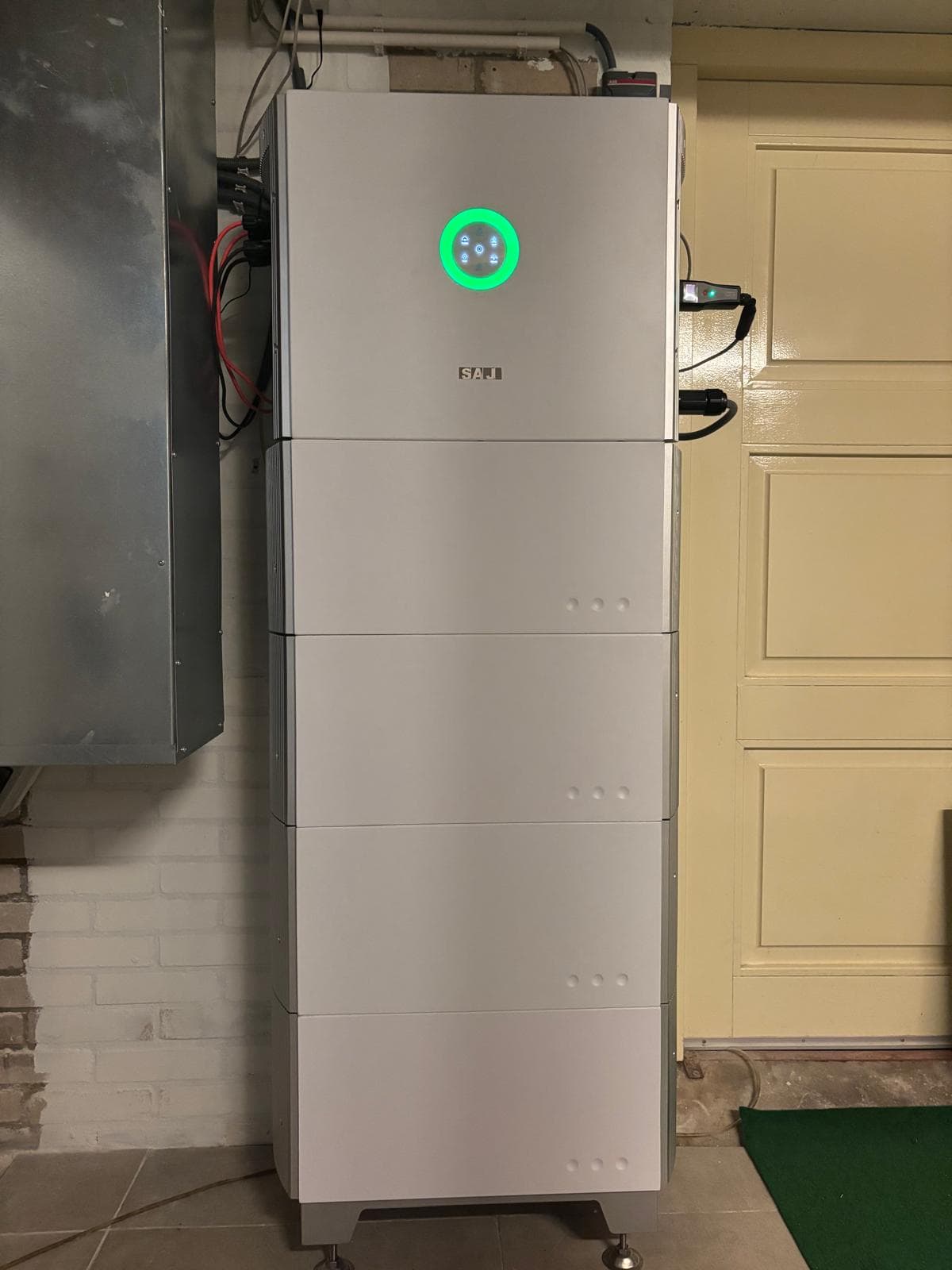
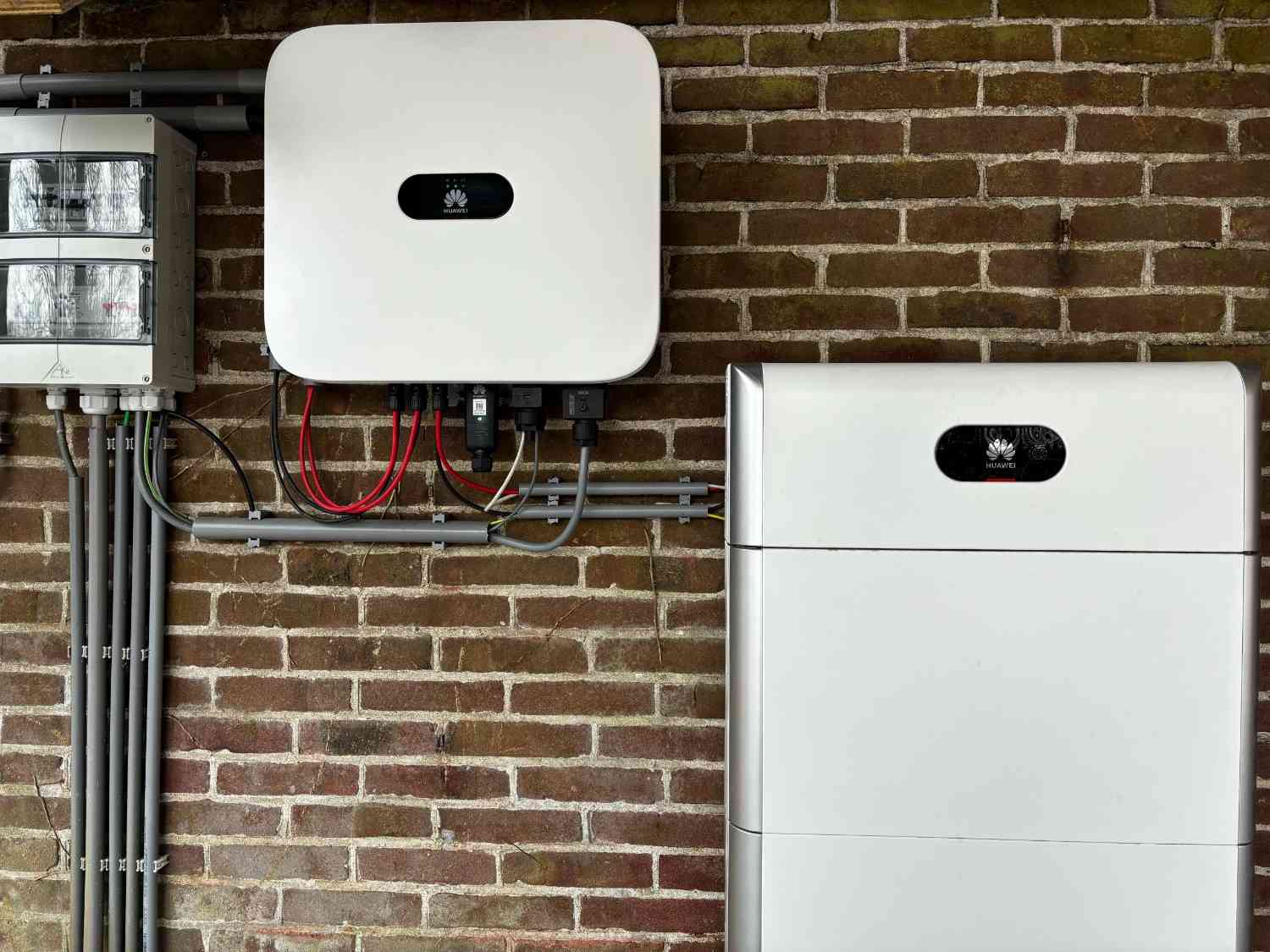
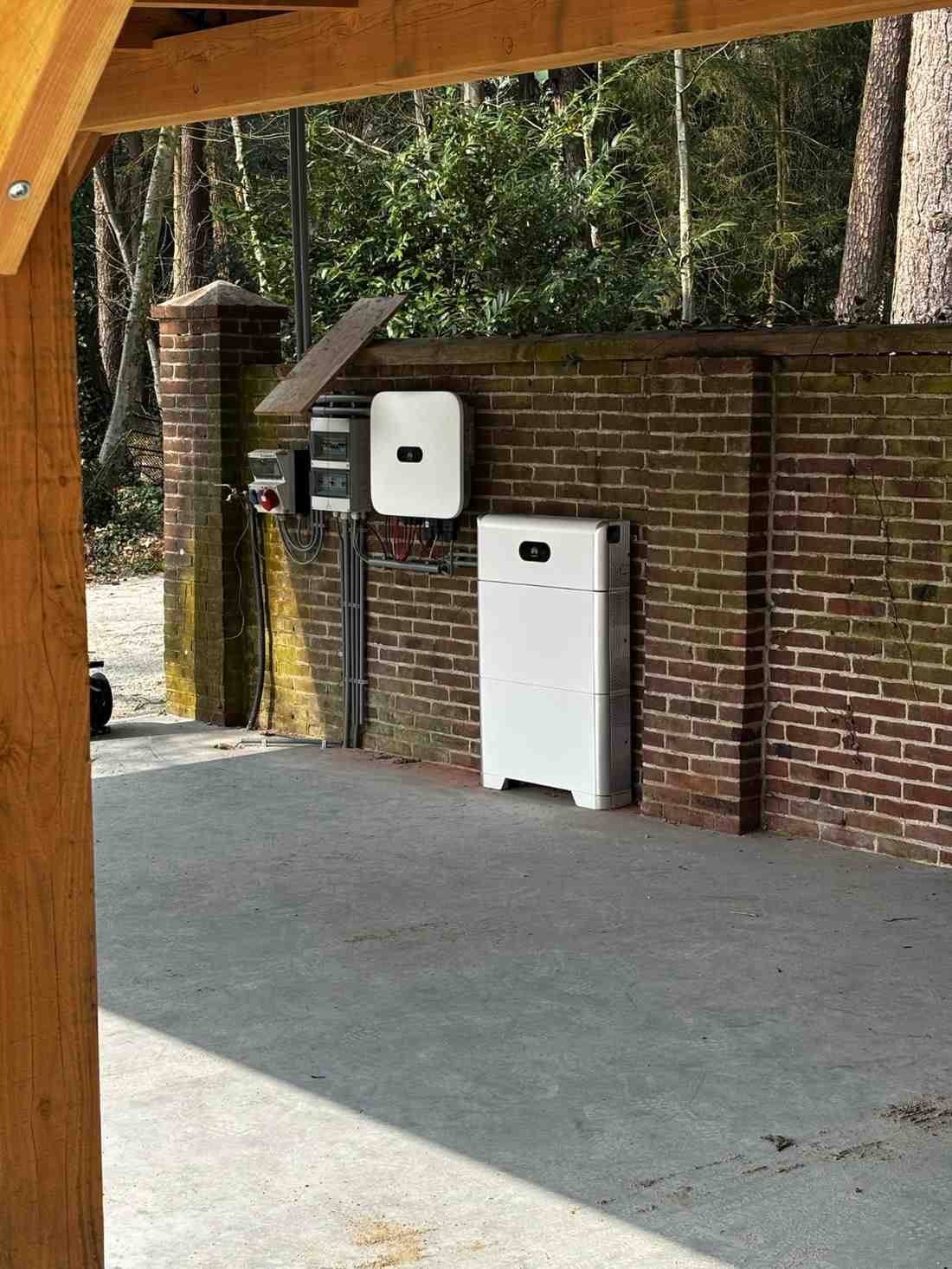
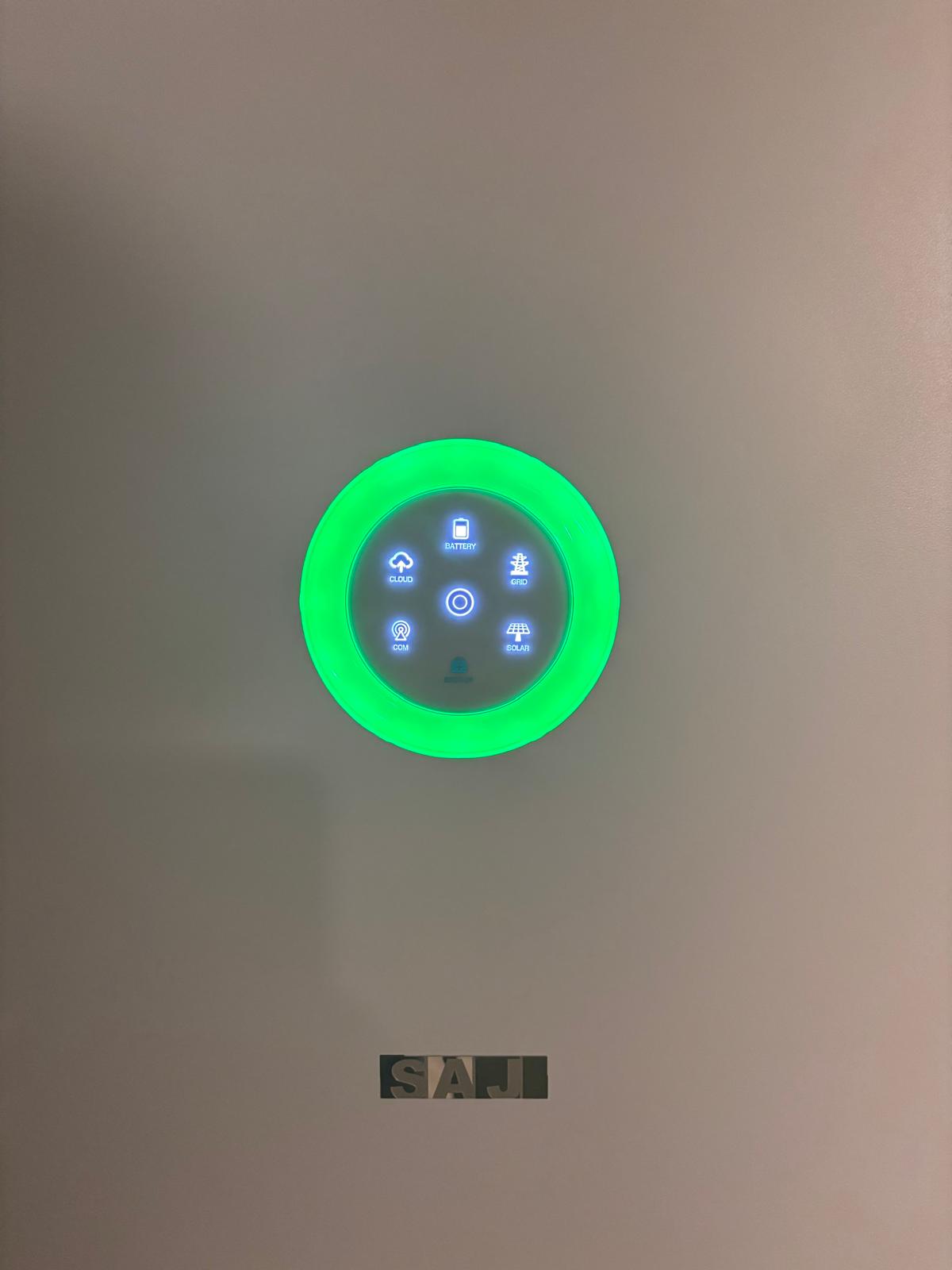
The net-metering scheme allows owners of solar panels to offset the electricity they feed back to the grid against their own energy consumption. From 2025, however, the scheme will be phased out, meaning you will gradually receive less compensation. A home battery can then be an attractive solution to increase your own consumption.
Fossil power plants supply grey power to the grid to maintain the balance between electricity supply and demand. This is particularly important when there is a shortage of renewable energy, such as on days without much sun or wind. The home battery is already a sustainable solution for people who do not want to use this fossil energy.
At Shift to Solar, we believe in total solutions. Whether you just want a home battery or a complete system with solar panels, charging station and smart control: we take care of it. We tailor everything to your situation, make sure all components work together seamlessly and, if you wish, take care of the entire process - from technical coordination to any permits. So you don't have to worry about anything, and you know for sure that everything is in order: technically, administratively and future-proof.
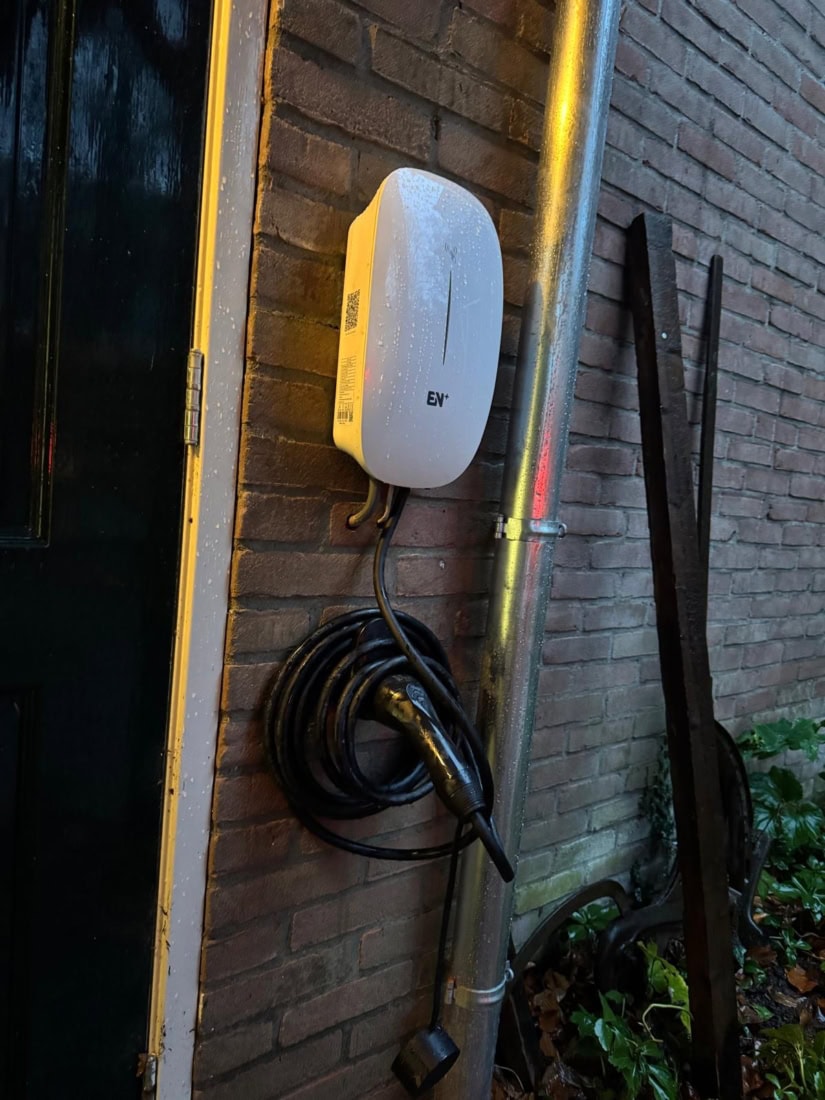
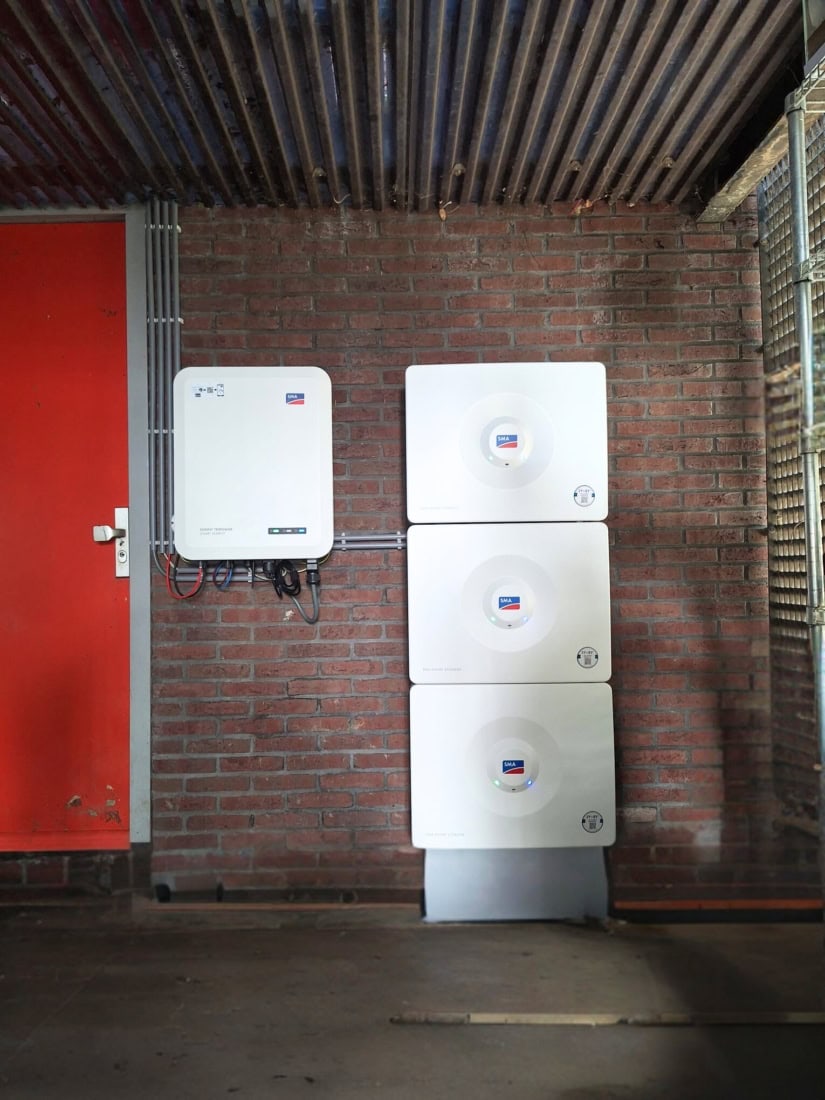
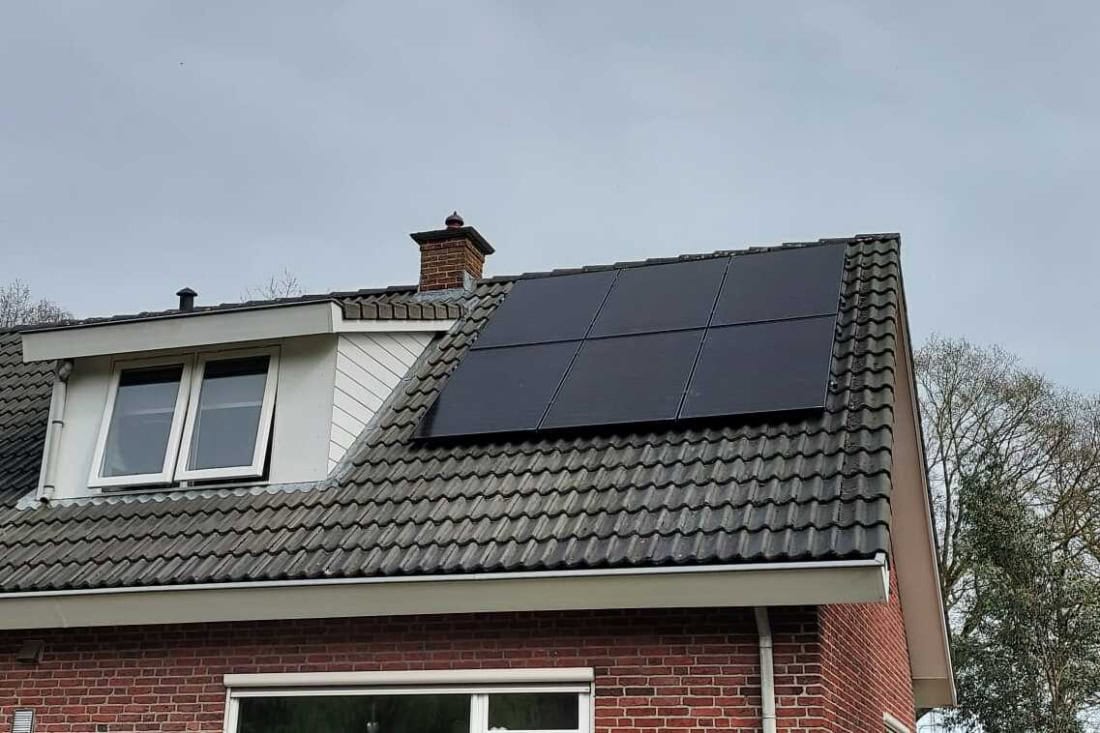
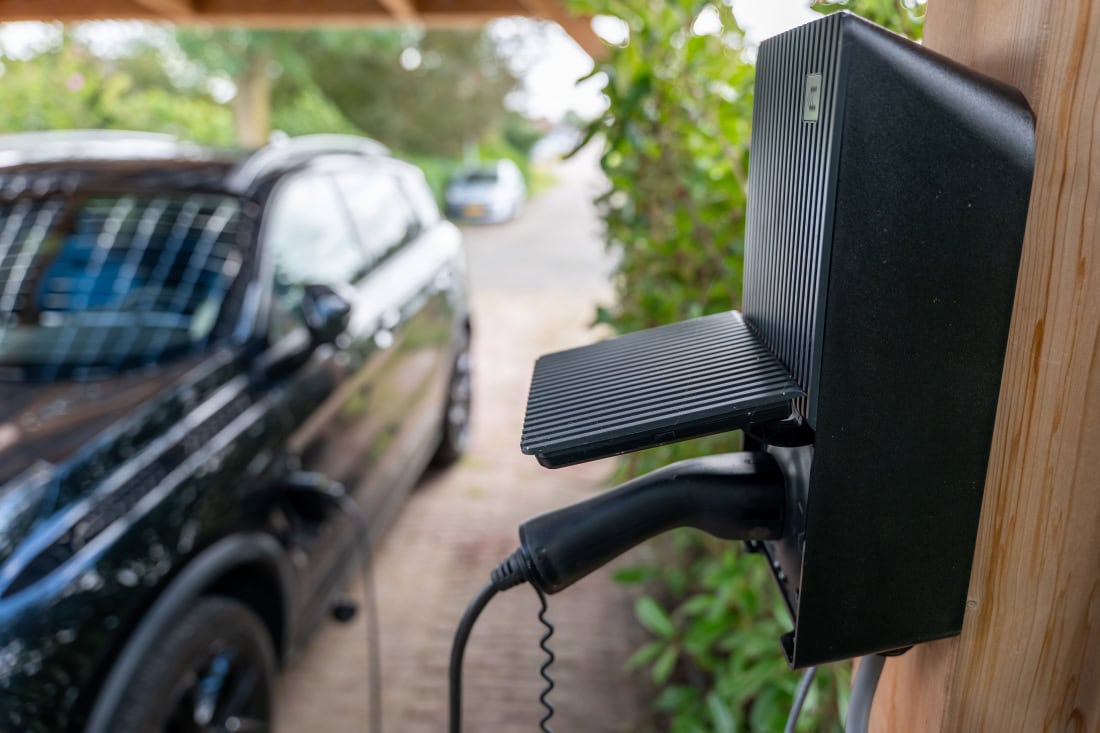
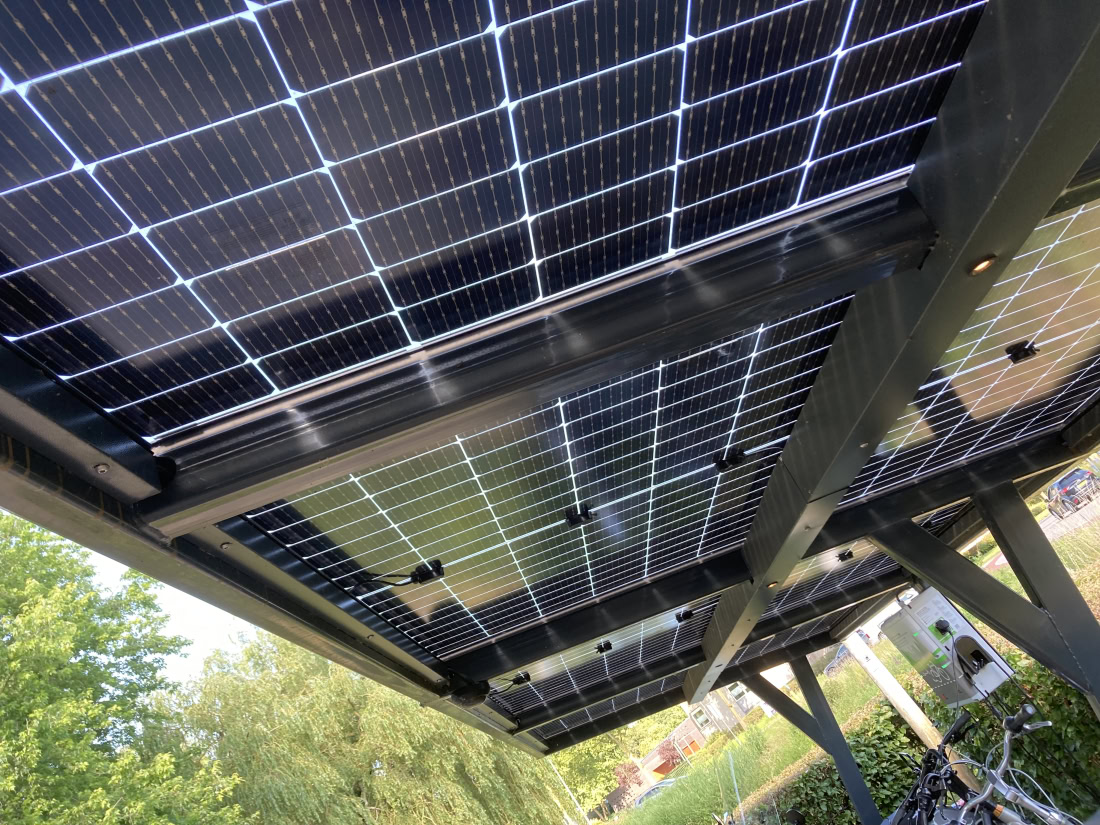














Installing a home battery starts with determining what storage capacity you need. How to choose the best home battery for your needs? Our experienced installers will be happy to advise you. Shift to Solar thoroughly analyses your energy consumption and power production and chooses a battery for maximum efficiency.
Then we provide expert installation, taking into account things like location, temperature and accessibility. So you can be sure of a perfectly working home battery.

Yes, a home battery allows you to feed energy you don't need directly back into the grid. This becomes even more efficient if you combine it with a smart home system and a variable energy contract. This allows your battery to feed energy back to the grid at times when it is most valuable, while drawing energy from the grid when it is cheapest.
If you are interested in a home battery for your solar panels, it is useful to know that prices can fluctuate quite a bit. We therefore recommend you make a specific enquiry with us if you are considering buying one. That way, we can put together an offer that perfectly suits your personal situation and needs. This will ensure that you get a home battery that not only meets your energy needs, but also fits within your budget.
The right home battery depends on how much power you generate as well as how much you consume. For some homes, a home battery of 5 kWh or 10 kWh sufficient. For medium to higher consumption, a 15 kWh or 20 kWh battery better fit.
It is important that the capacity of your battery matches what your solar panels actually generate. If you do not generate enough power to fill a large battery, you will not make optimal use of its capacity. If you choose too small, you won't be able to store some of the power you generate.
That is why we look not only at the number of solar panels, but also at your consumption pattern and future plans. On this basis, we advise whether 5, 10, 15 or 20 kWh best suits your situation.
At Shift to Solar, we carefully analyse your energy consumption and generation so that you choose a battery that truly suits your home and maximises your efficiency.
Yes, a home battery can also help in the winter months, but it is important to have realistic expectations about capacity. Home batteries are not designed to store large amounts of energy for use during the dark winter months. The capacity of current home batteries is usually sufficient for only one or a few days of a household's power consumption.
In case of a power cut, they can temporarily take over the energy supply, provided you have a two-way inverter and a connection from this inverter to the meter box. For an average household, a home battery with a capacity of 3 to 10 kWh is generally enough to serve as an emergency supply for about one day. This setup can probably get you through an entire power outage, provided the battery is sufficiently charged.
There is no grant available to individuals looking to invest in a home battery or accumulator. Business users are luckier; they can benefit from the Energy Investment Allowance (EIA). This scheme offers tax benefits to companies investing in energy-saving technologies, including home batteries. By using the EIA, businesses can deduct part of their investment from their taxable income.




 Dutch
Dutch
 English