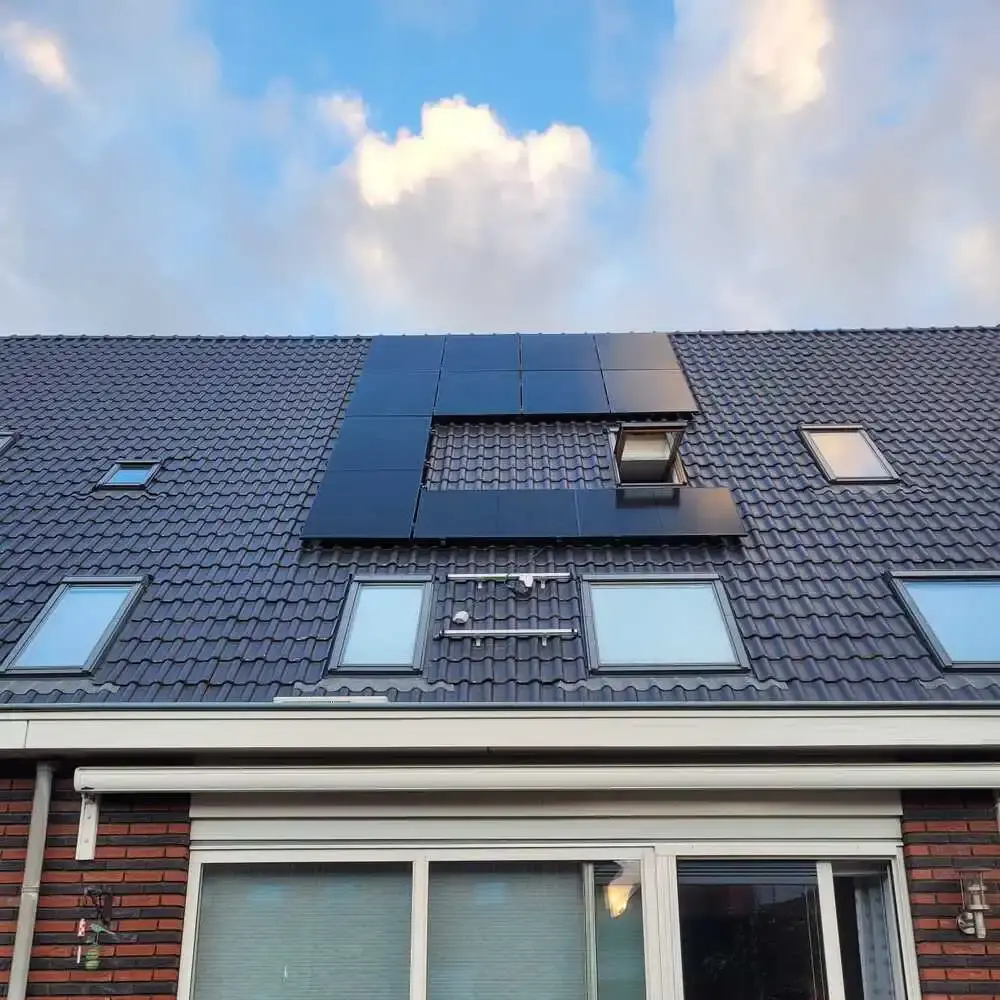
You have solar panels, but you don't use much of your generated power yourself. During the day, you supply back at a low rate. In the evening, you buy power at a higher rate. As a result, you get less out of your investment than is possible, especially if your household uses a lot of power.
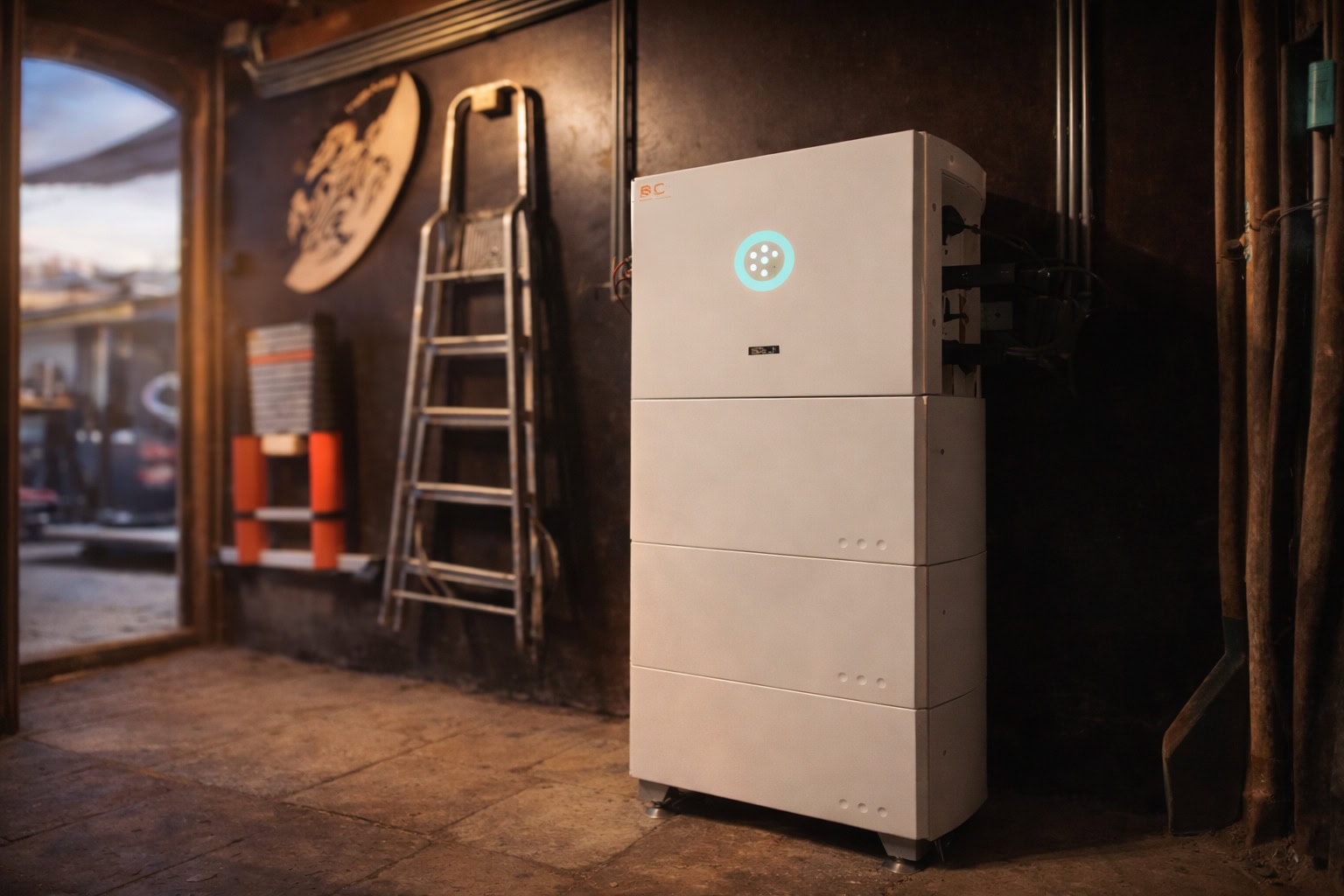
A 20 kWh home battery is intended for homes where energy consumption is higher. Think of a heat pump, an electric car or several large consumers in the house. This capacity is also interesting if you have many solar panels on your roof and structurally generate more than you use directly. With 20 kWh, you store a large part of your own electricity and use it when you need it.
That way, you increase your own consumption, reduce your dependence on the grid and make the most of your solar panels.
From 1 January 2027 you can no longer fully offset the electricity you generate against your own consumption. You will still receive compensation for power you feed back, but it will be lower than the rate you pay for power from the grid.
If you have many solar panels, you often generate more power during the day than you use directly. You feed that surplus back. As long as you were allowed to balance your consumption, it made little difference. From 2027 onwards, it will become less financially attractive to supply large quantities of electricity back to the grid.
A 20 kWh home battery is interesting just then. With this capacity, you can store a large part of your surplus yourself and use it later. Especially in homes with many panels and higher energy consumption, 20 kWh ensures that you feed back less and use more yourself.
Wondering if a 20 kWh home battery will make the difference for you? We'd love to think with you.
A 20 kWh home battery is interesting when a smaller storage capacity is simply not enough. You often see this in the situations below.
A 20 kWh home battery offers ample storage capacity for homes with many solar panels or higher power consumption. With this capacity, you can store much of your power generated during the day and use it yourself later, for example in the evening or at night.
This type of battery is especially suitable when you structurally generate more electricity than you consume directly or when you use a lot of electricity at home every day. Think of heating on electricity or charging a car.
At 20 kWh, you significantly increase your own power consumption and get more out of your solar panels.
Want more information? Then check out the frequently asked questions about a 20 kWh home battery at the bottom of this page.
Go to frequently asked questions

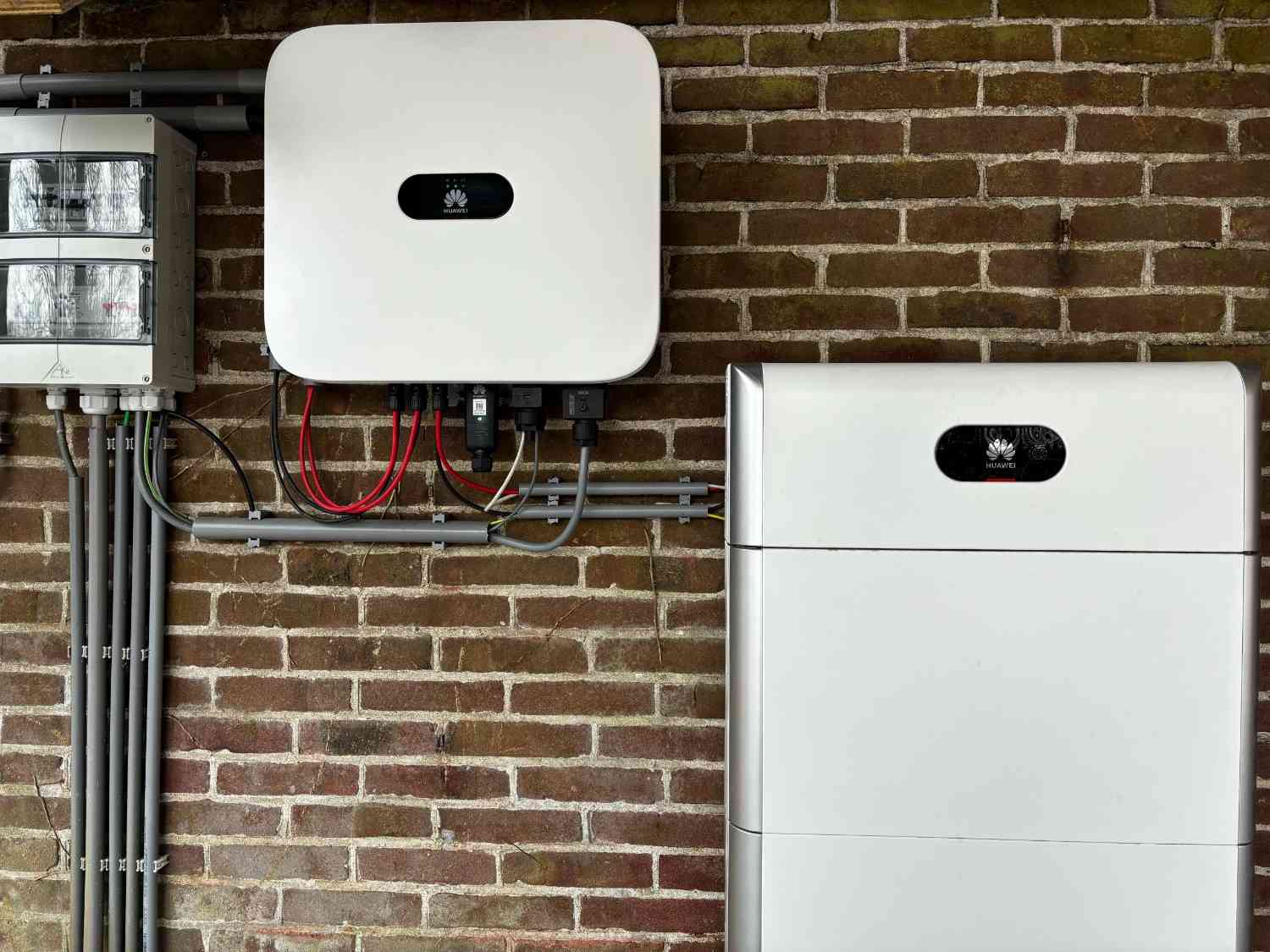
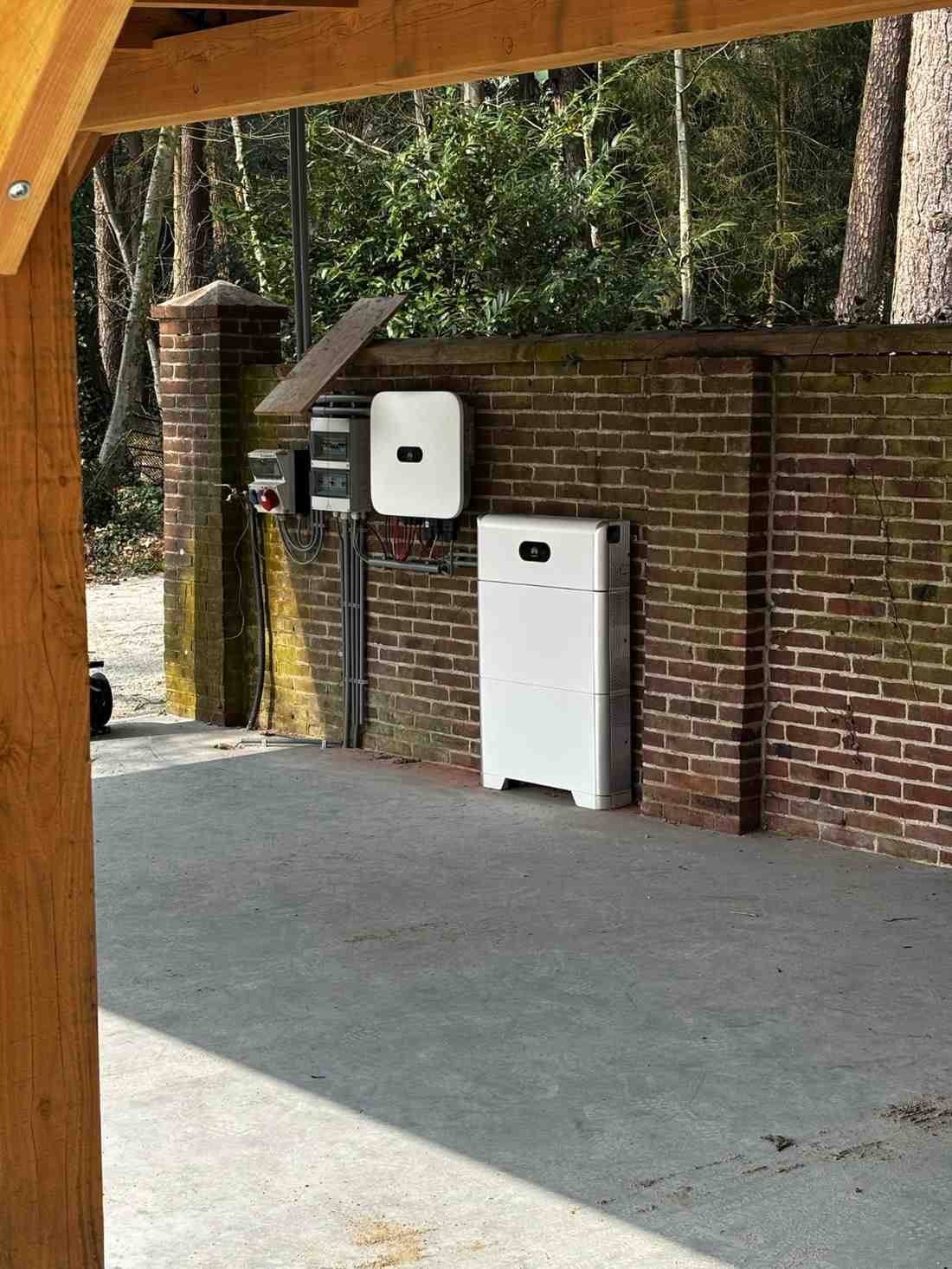


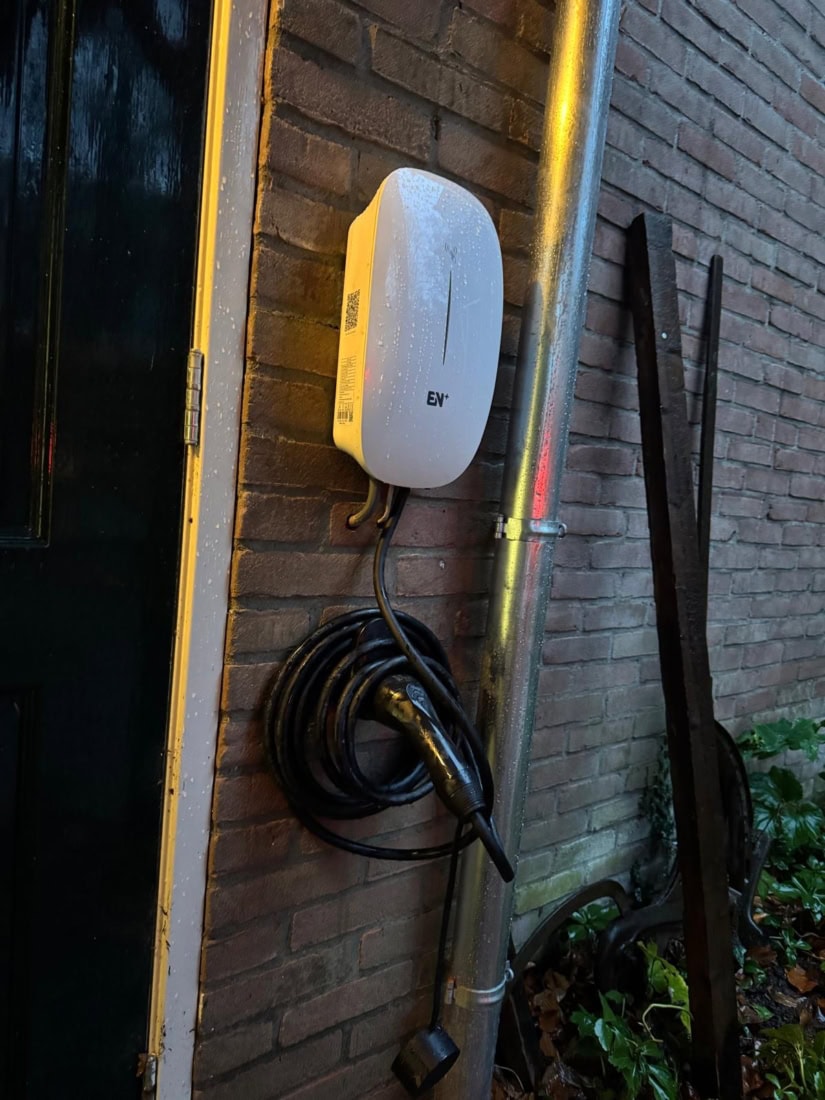
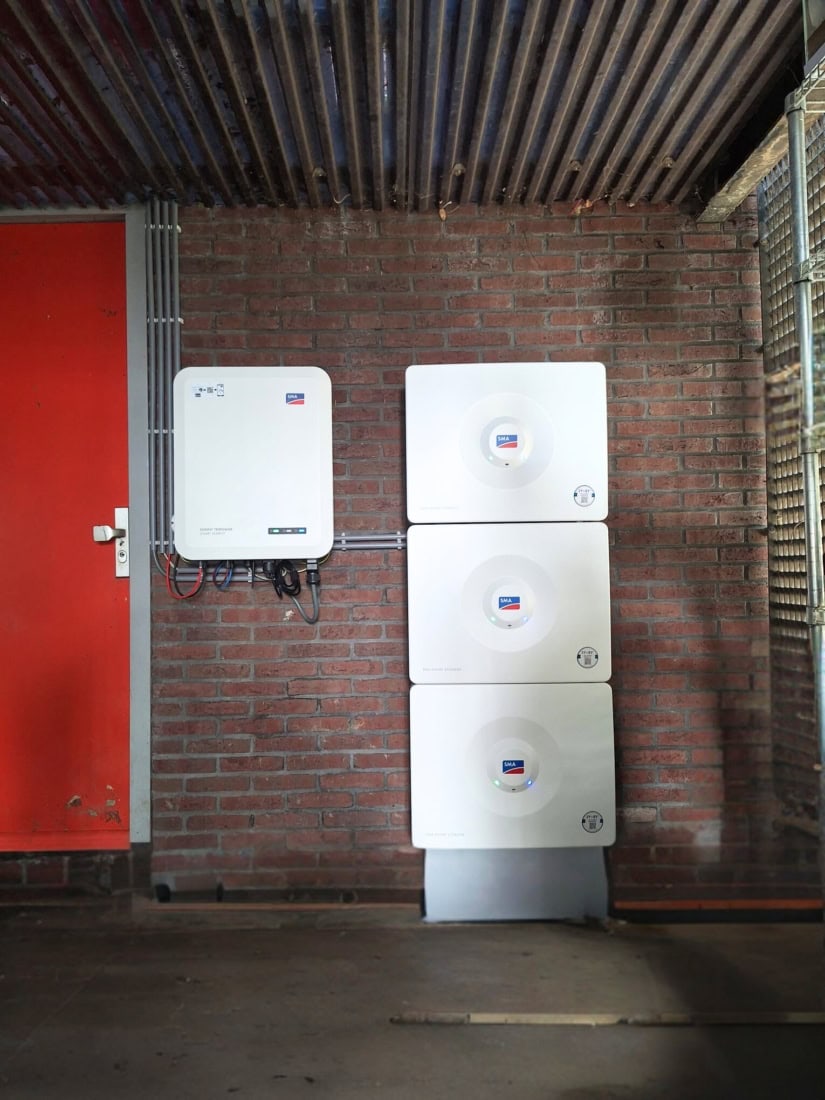
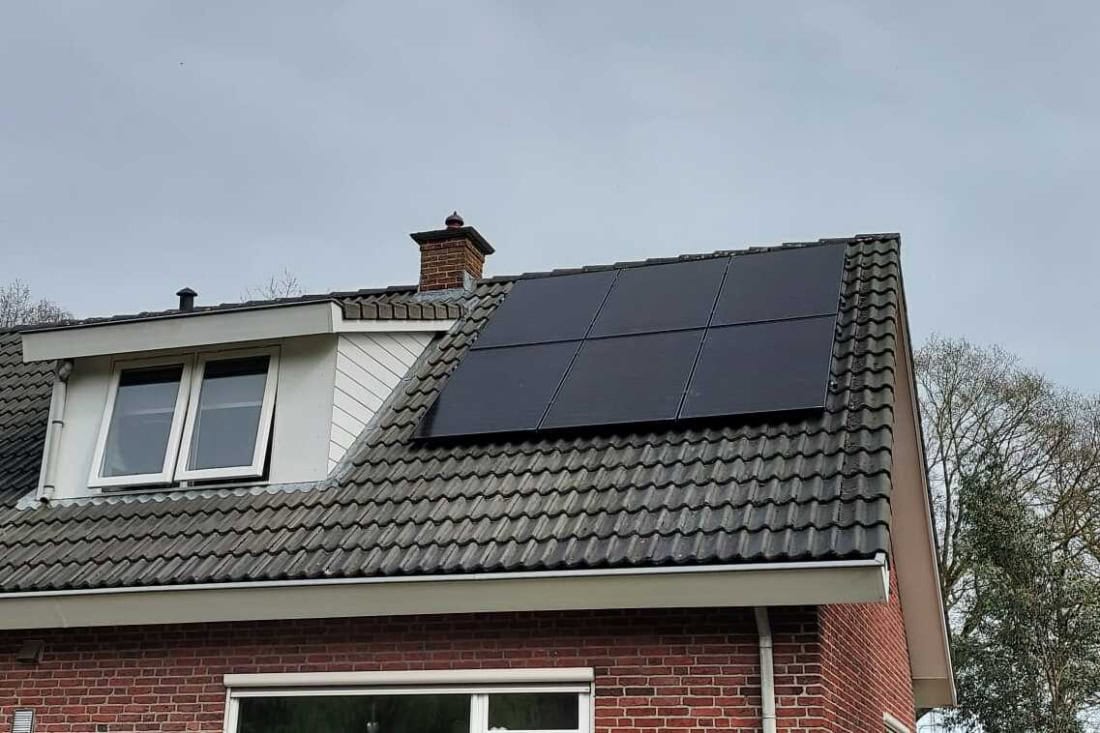
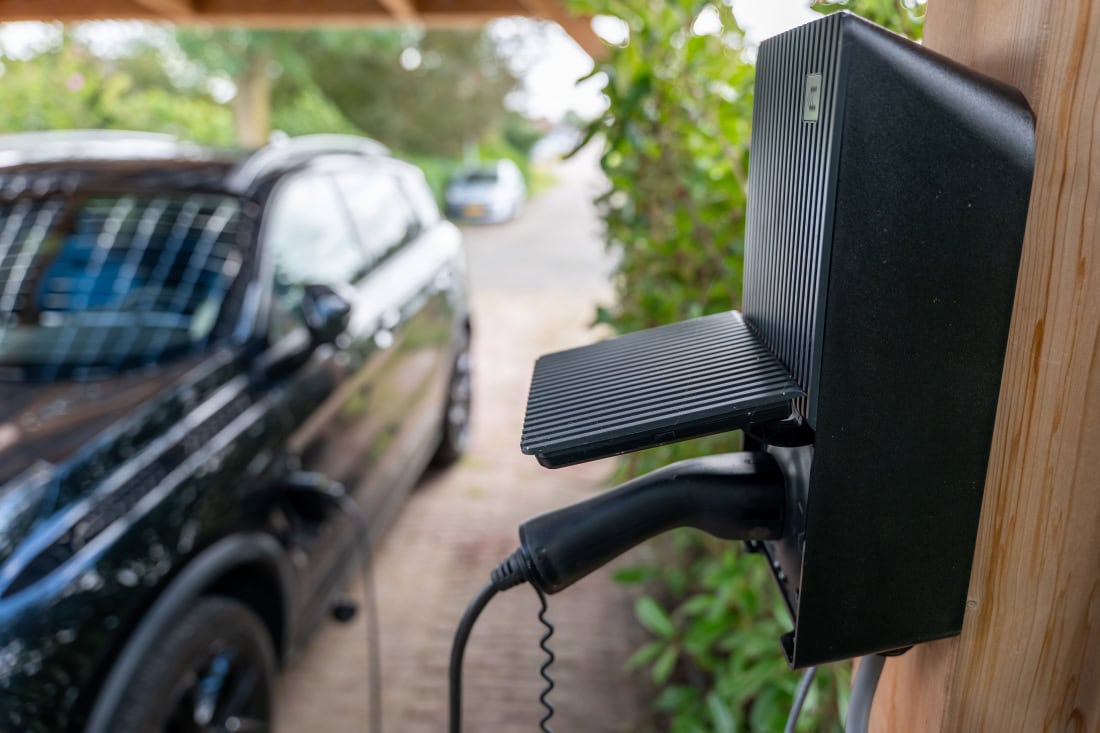


















Installing a home battery starts with determining what storage capacity you need. How to choose the best home battery for your needs? Our experienced installers will be happy to advise you. Shift to Solar thoroughly analyses your energy consumption and power production and chooses a battery for maximum efficiency.
Then we provide expert installation, taking into account things like location, temperature and accessibility. So you can be sure of a perfectly working home battery.

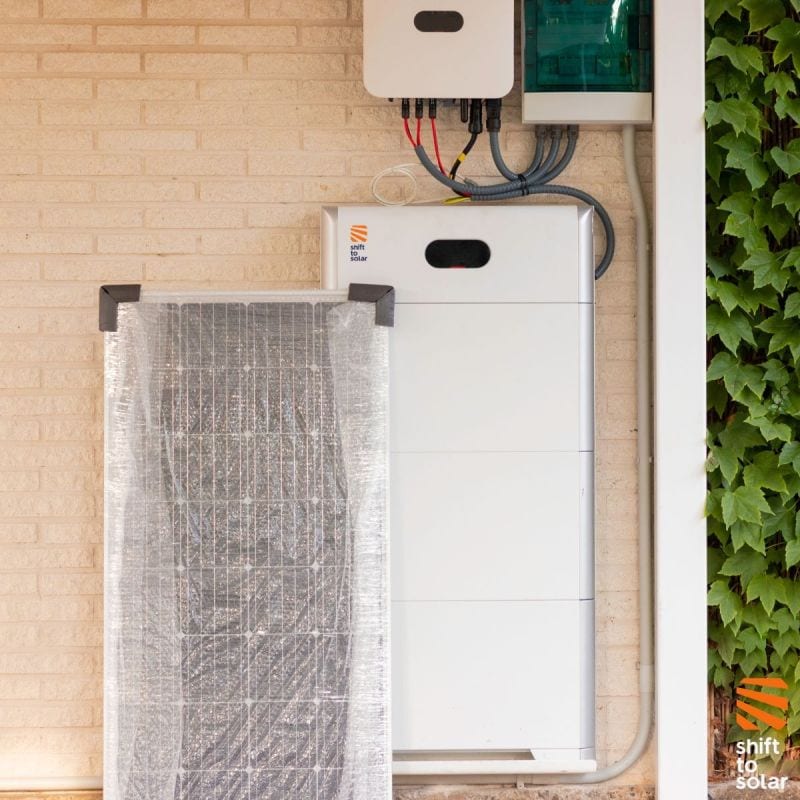
Want to get maximum benefit from your solar panels and become less dependent on the energy grid? With a 20 kWh home battery, you store a large part of your generated power yourself and use it when you need it.
This capacity is ideal for higher energy consumption, a heat pump or charging an electric car. You increase your own power consumption, limit feed-in and get more efficiency from your installation.
Wondering what this will yield in your situation? Request a no-obligation quote. You will receive personal contact within 24 hours to discuss your home and consumption.
Request a quoteA 20 kWh battery is appropriate in many situations for installations from about 20 to 30 solar panels, depending on the power per panel and your daily consumption.
Calculation example:
An installation of 25 400 Wp panels (10,000 Wp) generates about 8,500 to 10,000 kWh per year on average in the Netherlands, depending on location and orientation. On sunny days, a considerable surplus is regularly created. Without a battery, you feed that back into the grid.
If you have fewer than about 15 panels, then 20 kWh is relatively large in many situations. The battery will then not be fully charged daily, leaving some of the storage capacity unused.
Important to know: the right ratio is determined not only by the number of panels, but especially by your daily surplus as well as your evening consumption.
An average household without a heat pump consumes about 2,500 to 3,500 kWh per year. That's an average of 7 to 10 kWh per day.
A 20 kWh battery is especially interesting if you use around 15 kWh or more daily, or if you use a lot of power especially in the evening. Then you can get a large part of your evening and night consumption from your own storage.
It depends on how much power you use in the evening and night.
If you use an average of 8 to 12 kWh in the evening, 20 kWh could theoretically cover a full evening and night.
Just keep in mind that in practice you can usually use a little less than 20 kWh, as there is always a small loss when charging and discharging.
If you have a heat pump or if you charge a car, your consumption can reach 15 kWh or more per day. In that case, 20 kWh covers much of your consumption, but not everything.
A battery does not replace the grid, but it can greatly reduce its use.
You can.
If you have few solar panels and low consumption, a 20 kWh battery will not be fully utilised on a regular basis. Some of the storage capacity then remains unused.
In such a situation, a smaller battery is often more efficient and makes more financial sense.
That's why we always look at:
From 2027, the net-metering scheme will end. This means that for electricity fed back, you usually get a lower compensation than what you pay for electricity you take away.
If you have many solar panels and regularly supply more than 10 kWh back during the day, you will notice the difference. You receive less for what you send back than you pay later when you need power.
With 20 kWh storage, you can use more of that surplus yourself instead of feeding it back. Especially in homes with a lot of generation and higher evening consumption, this can make a financial difference.
Total investment depends on:
A larger battery sometimes requires technical modifications. Therefore, a fixed price without understanding the home is not realistic.
We always make a proposal based on your situation, so that it is clear what the total investment means.
Yes, that could be a good fit.
A heat pump increases electricity consumption, especially in the colder months. If you generate enough during the day, 20 kWh will allow you to use more of that energy later for heating.
In winter, the output of solar panels is lower. The battery is then less often fully charged. Storage then mainly helps to reduce grid use, but it is not a solution to be without grid power all winter.
An electric car consumes 15 to 20 kWh per 100 kilometres on average.
So a 20 kWh battery can support about one charge of around 100 kilometres when fully charged.
In practice, storage is usually used for both the home and the car.
Most modern home batteries last about 10 to 15 years, depending on usage and quality.
What is important is how many times the battery can be charged and discharged. In normal use, capacity remains largely stable for years, with a gradual decrease over time.
A 20 kWh home battery takes up more space than a smaller system. Where best to place the battery depends on the available space, weight and technical situation.
Place inside
A 20 kWh battery is often placed in a garage, technical room or basement. These spaces are usually dry, easily accessible and close to the meter box.
Indoor placement protects the battery from weather and strong temperature fluctuations. This is beneficial for the service life. However, there must be sufficient space, as larger battery systems can be heavier and wider.
Placing outside
Many modern home batteries are suitable for outdoor use and have a weatherproof casing. They are often placed against an outside wall or under a canopy.
With a 20 kWh system, it is important that the ground is stable and can support the weight. There should also be sufficient ventilation space around the system.
Points of interest
The exact placement is always tailored to the house and the technical situation.
A home battery itself makes virtually no noise. There are no moving parts in the battery cells.
The noise comes mainly from the inverter or cooling system. That usually stays between 30 and 45 decibels, similar to a quiet fridge.
Because a 20 kWh system can often deliver more power, the cooling system can sometimes be slightly more active at high load. In a garage or technical room, you usually hardly hear the system.
Most modern home batteries lose little energy when temporarily unused.
Stored power remains available for several days without noticeable loss. Self-discharge only gradually occurs during prolonged downtime. This is slow, usually only a few percent per month.
In practice, stored energy is usually used within one to a few days.
How fast a 20 kWh battery recharges depends on:
For example, if you have 25 400 Wp solar panels (10,000 Wp peak power), you can temporarily generate 6 to 9 kW of power on a sunny day.
Under ideal conditions, an empty 20 kWh battery can then be largely charged within about three to five hours.
In practice, it often takes longer because you also use power in the house during the day. Moreover, a battery is rarely fully depleted to fully charged within one day.
It depends a lot on your situation.
If you have many solar panels and regularly feed back large amounts of power, a 20 kWh battery can significantly increase your own power consumption. This becomes more financially interesting now that the net-metering scheme is ending.
The return depends on, among other things:
A larger battery is not automatically more cost-effective. It is important that the storage capacity matches your actual surplus and consumption.
Therefore, a calculation is always tailor-made.
A 20 kWh battery can significantly increase your own power consumption, but it does not make your home completely independent of the grid.
In spring and summer, when your solar panels generate a lot, much of your evening and night consumption can come from the battery.
In winter, the output of solar panels is lower. The battery is not fully charged as often then. You remain largely dependent on the grid during that period.
For many households, 20 kWh storage means:
How big that effect is depends on:
A 20 kWh battery increases your independence but does not completely replace the electricity grid.
The payback period of a 20 kWh home battery depends on the annual savings and the total investment.
The savings arise because you:
A larger battery such as 20 kWh can store more surplus than a smaller system. That can increase savings, but only if that storage is also used regularly and there is sufficient feed-in or consumption to fill the capacity.
Factors determining payback period
The payback period varies for each property and depends on, among other things:
As long as full net-metering applies (until 1 January 2027), the financial benefit of a home battery is usually more limited. From 1 January 2027, the net-metering scheme stops completely and you will only receive feed-in compensation. This makes it more financially attractive to store more of your own electricity and use it yourself.
Efficiency losses must also be taken into account: on average, 8 to 15% of energy is lost when storing and discharging power.
Dynamic energy contract
If you have a dynamic contract with hourly rates, then a 20 kWh battery may offer additional benefits.
You can charge the battery at times when the electricity price is low and discharge it when the price is higher. In some situations, it can be interesting to supply some of it back when the price is high, provided your contract and supplier allow it. The benefit depends very much on the level of price differences and the efficiency of the system.
In winter, prices tend to be more volatile. The battery can then help avoid peaks, but solar panel output is lower during that period.
Electric car and payback period
If you have an electric car, you can get extra benefits by charging mainly at cheap hours or with your own solar power. A 20 kWh battery can help with this, keeping a larger part of your own generation available for charging, although the capacity is still usually smaller than that of a full car battery.
The exact payback period varies from one situation to another. Therefore, a calculation is always tailor-made and based on your actual generation, consumption and contract form.




 Dutch
Dutch
 English