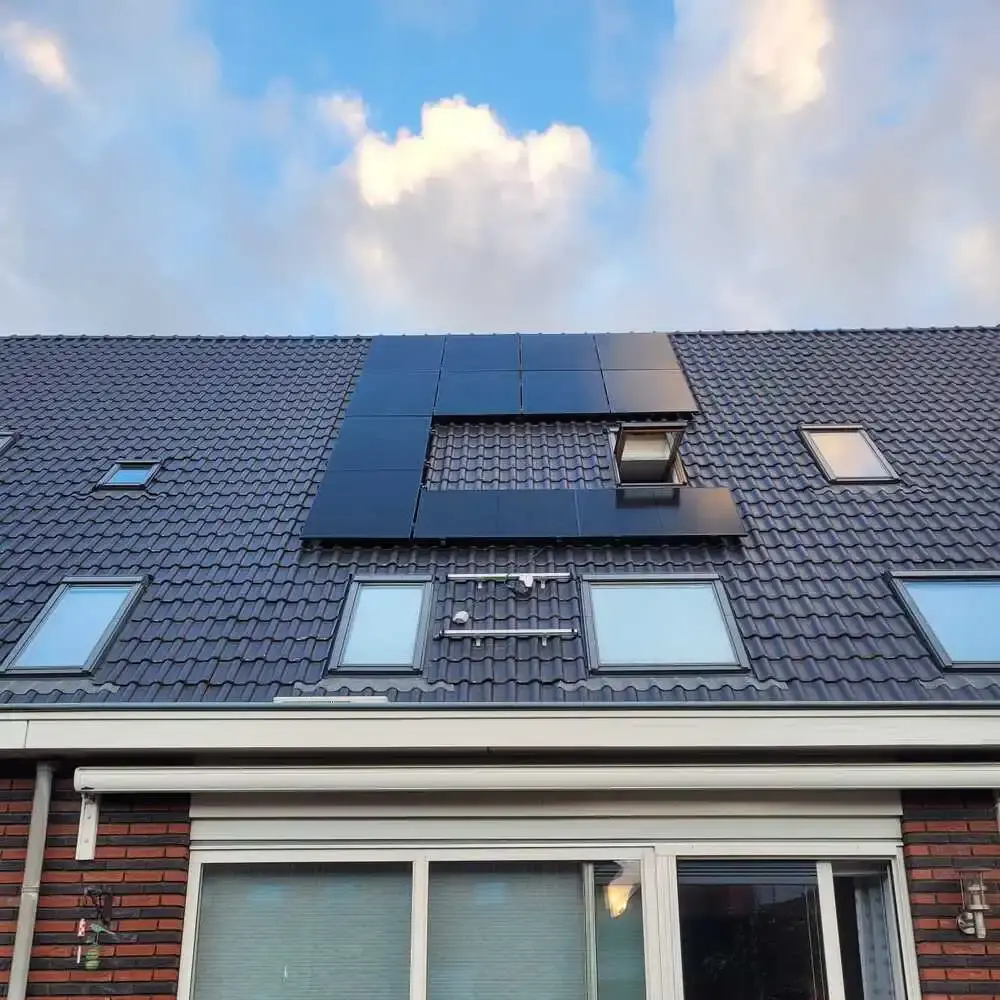
During the day, you often generate more power with your solar panels than you use at that time. You feed that power back to the grid. From 2027, you will usually receive a lower tariff for the power you supply back to the grid than the tariff you pay when you later need power yourself. In the evening, when the household uses more energy, you will buy that power again at that higher rate. This way, during the day, you deliver back at a lower fee and pay more for your own energy later.
You notice this especially when you feed back some of your generation daily, while your total power consumption remains relatively normal. Consider a house with 6 to 10 solar panels, where electricity is used for cooking in the evening, appliances are running and the household uses energy mainly after working hours. You don't have extremely high consumption, but you do have a clear daily surplus.
A 5 kWh home battery fits well with that type of home. You store part of the surplus during the day and use that power yourself later, exactly when your consumption increases. In this way, you bring generation and consumption closer together, without investing in storage capacity that you do not fully utilise.
This way, you increase your own power consumption, limit how much you feed back and get more out of your solar panels.
From 1 January 2027 you can no longer fully offset the electricity you generate against your own consumption. You will still receive compensation for power you feed back, but it will be lower than the rate you pay for power from the grid.
If you have solar panels, you often generate more power during the day than you use directly. You feed that daily surplus back. As long as you were allowed to balance your consumption, it made little difference. From 2027 onwards, you will notice the difference between feed-in and buy-in more clearly.
A 5 kWh home battery helps you store that surplus smartly and use it yourself later in the day. Especially in homes with normal power consumption and a limited but structural surplus, 5 kWh ensures that you feed back less and use more of your own energy.
Wondering if a 5 kWh home battery is right for your situation? We would be happy to take a look with you.
A 5 kWh home battery is suitable when you have a limited daily surplus but do not need a large storage capacity. You often see this in the situations below.
A 5 kWh home battery is especially interesting if you feed power back daily, but don't want to make a big investment right away. You use more of your own solar power and reduce the difference between what you get back and what you pay later.
At the same time, it is important to take an honest look at whether 5 kWh is enough in your situation. If you have a sizeable evening peak or several heavy consumers in your home, then a higher capacity may be a better fit.
In the frequently asked questions at the bottom of this page, we explain what a 5 kWh home battery costs, what the average payback time is when this power is or is not appropriate and what you need to consider technically.
Click the button below to go directly to the frequently asked questions.
Go to frequently asked questions

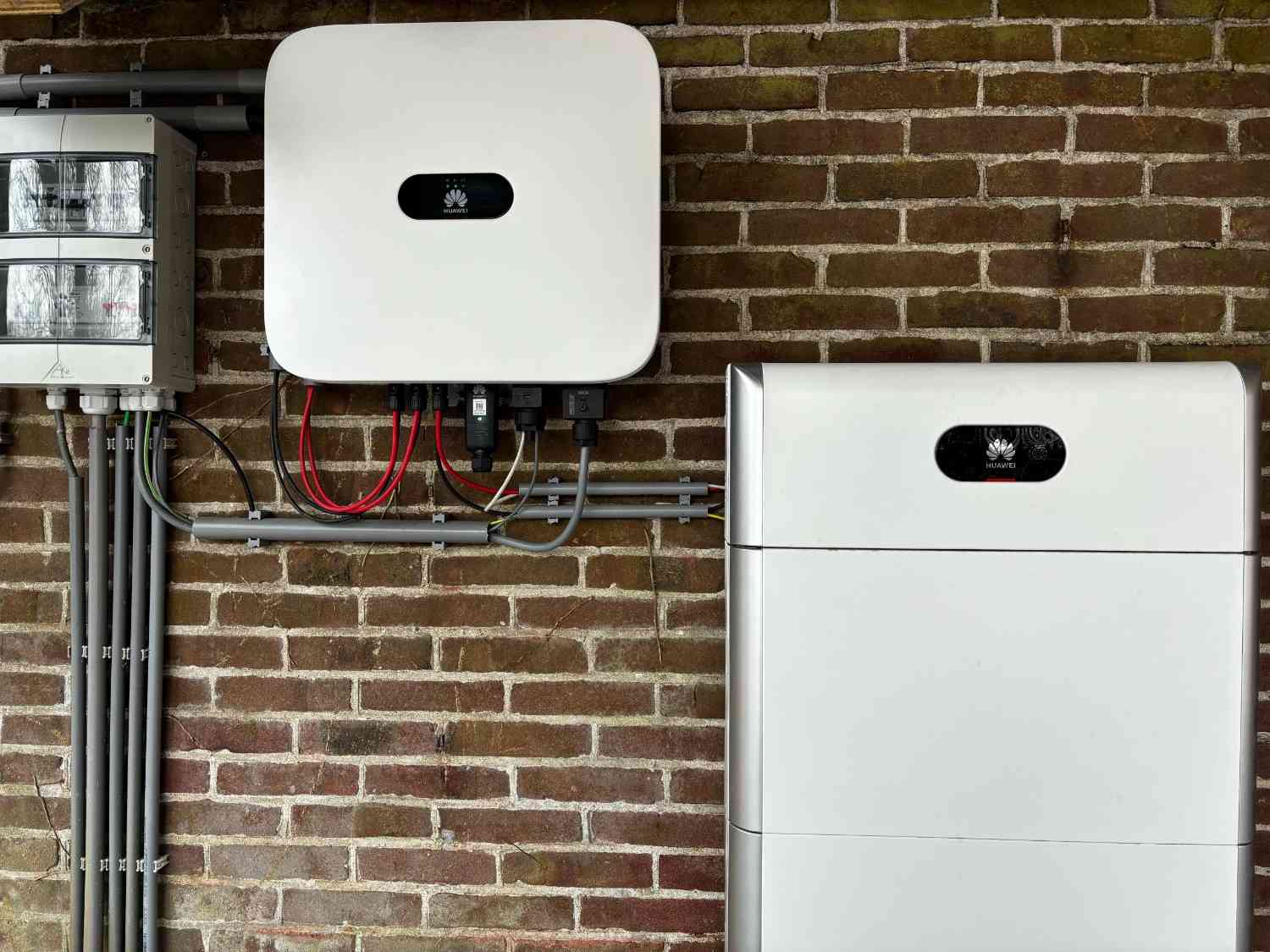
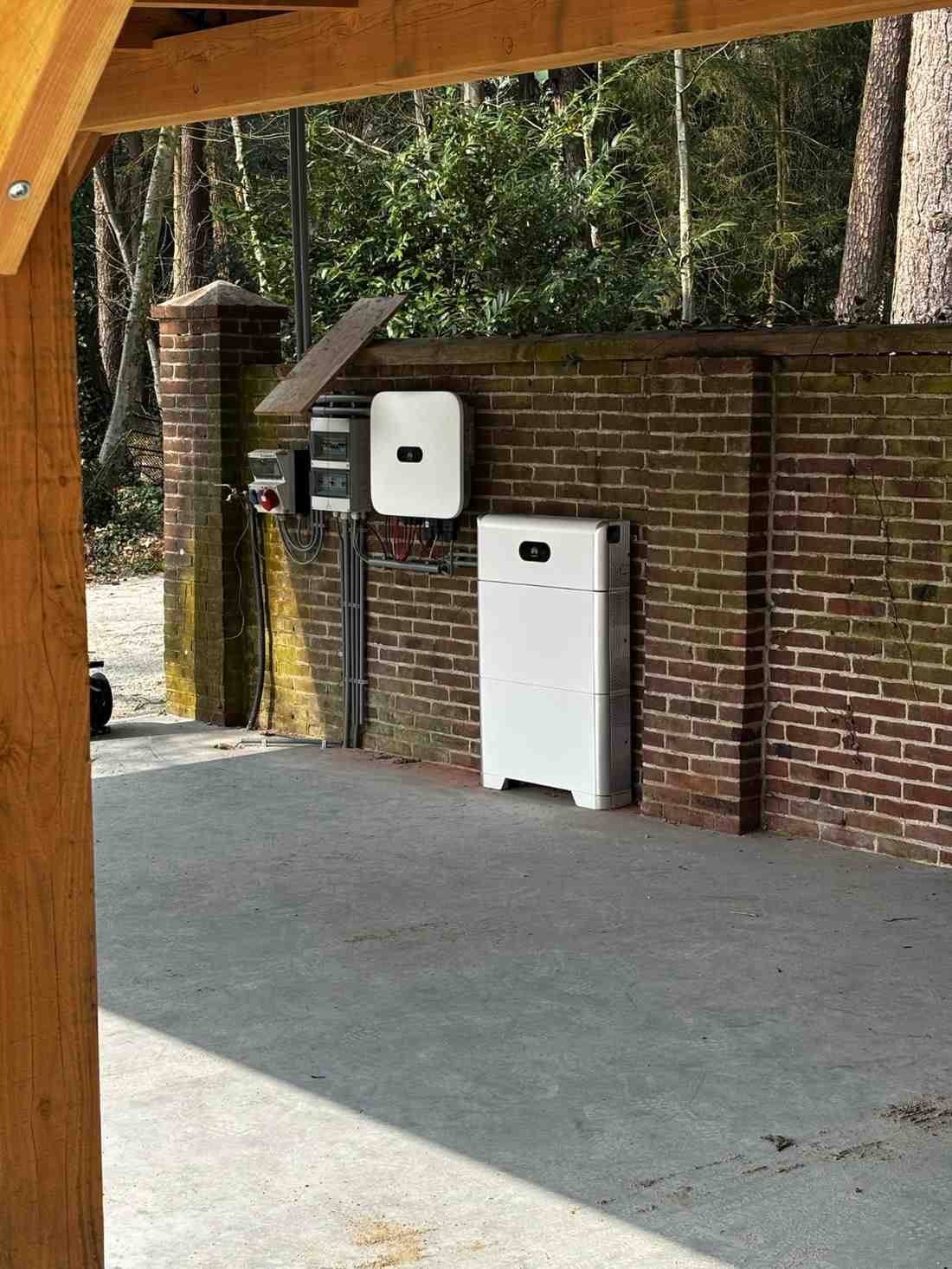


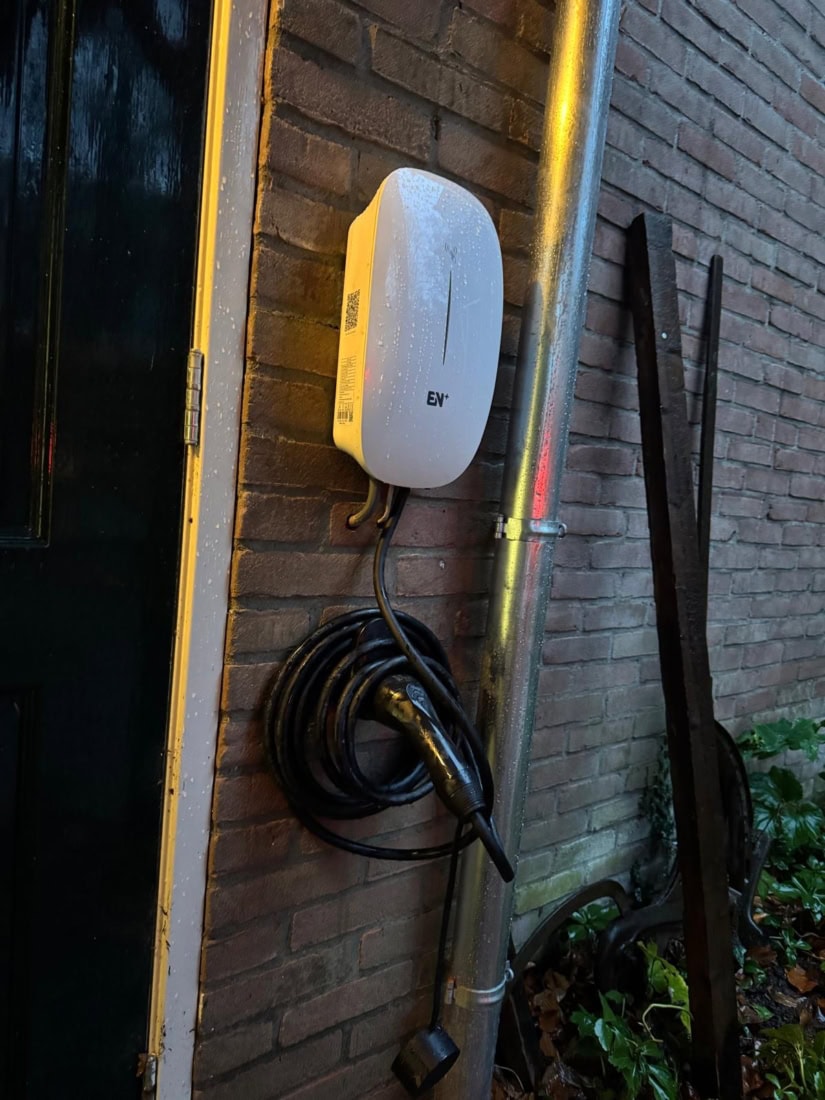
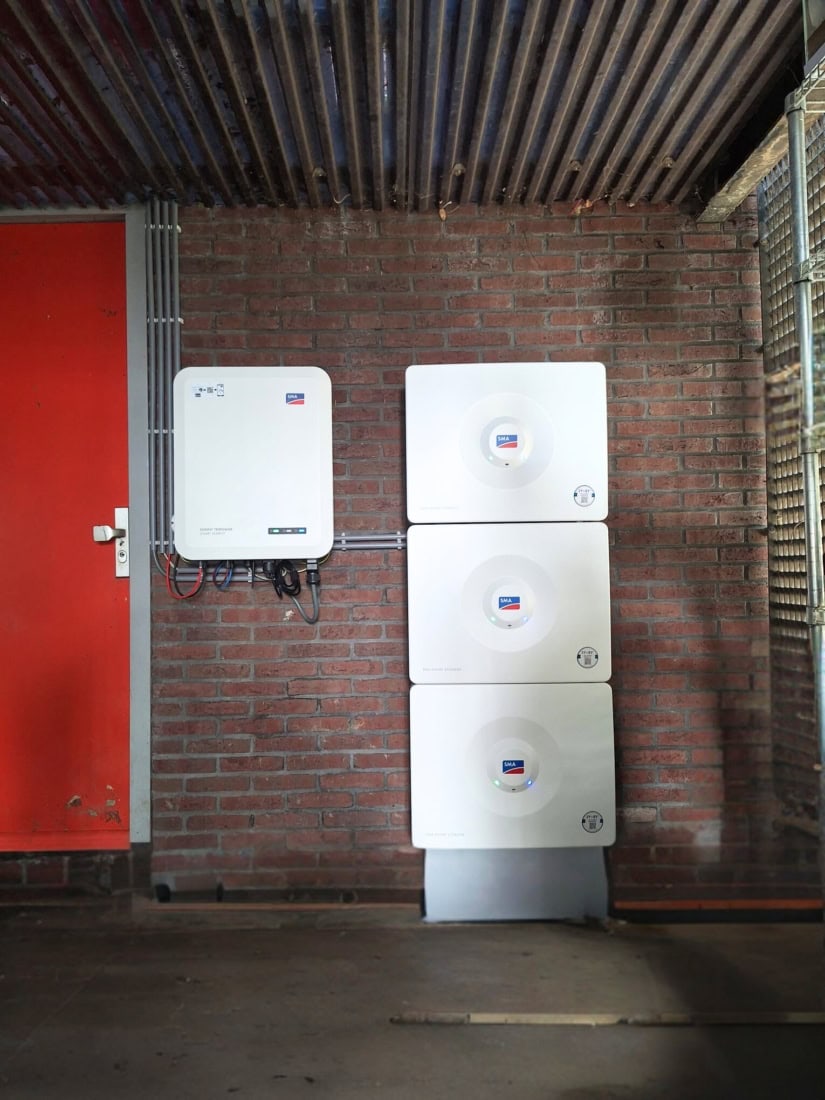
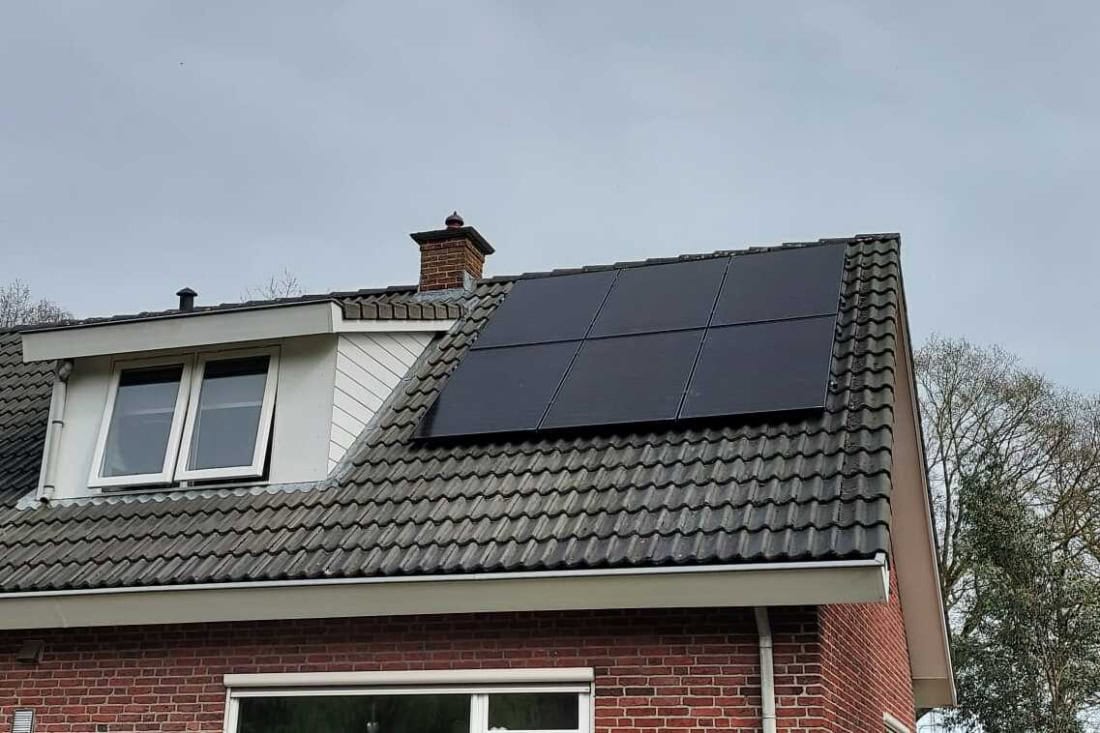
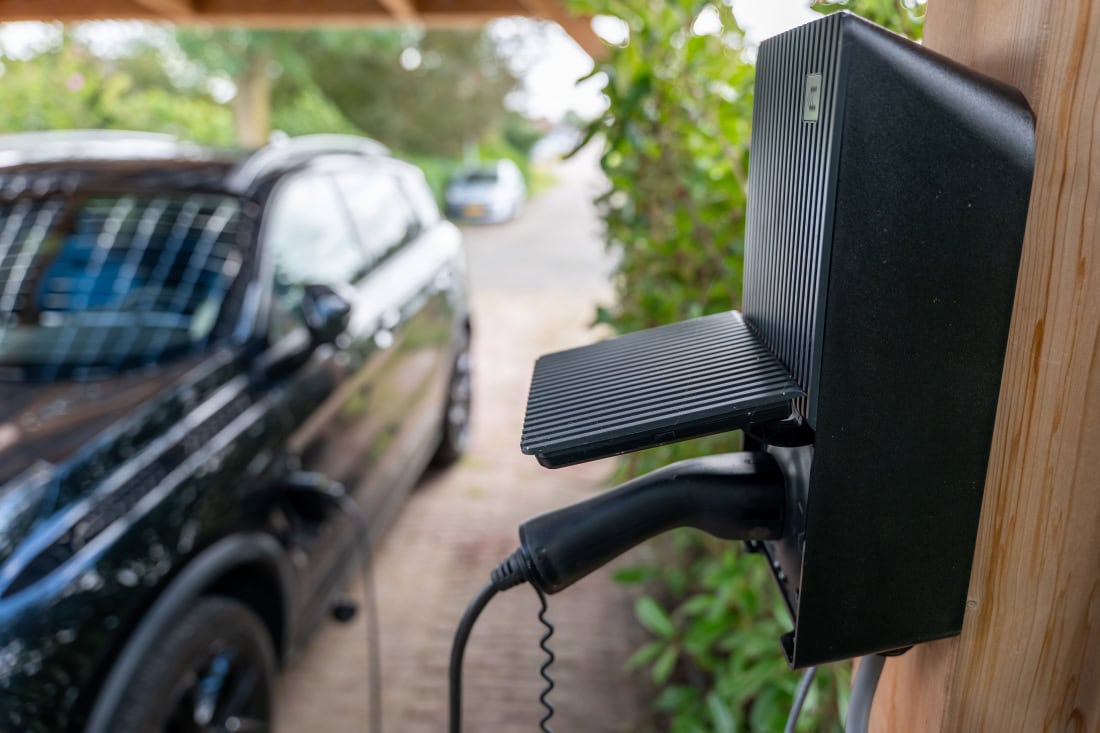
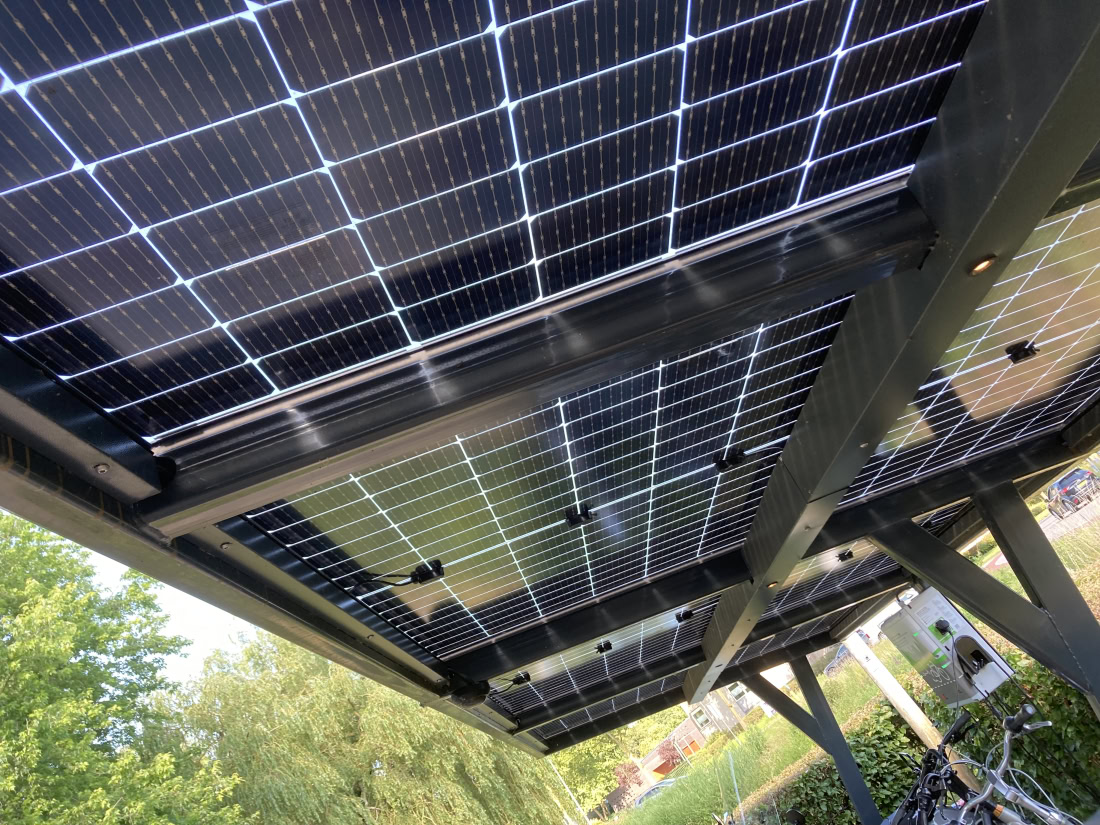
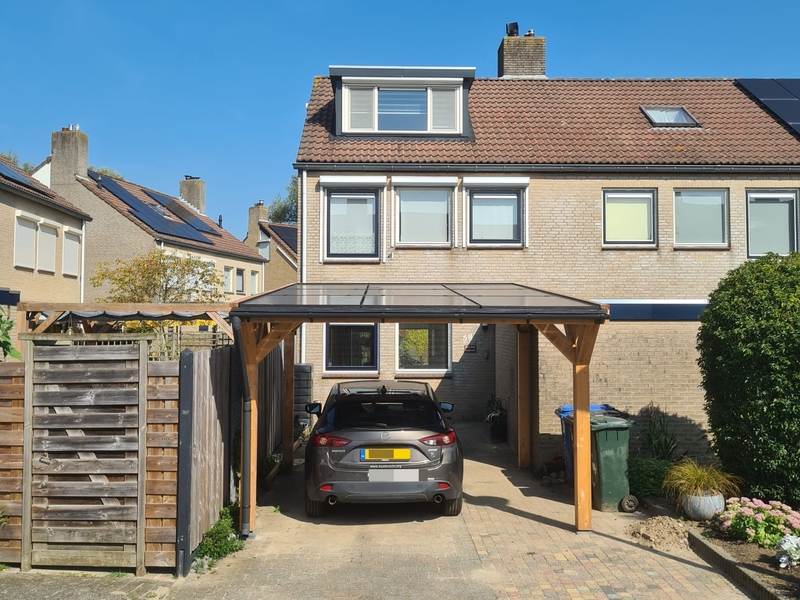


















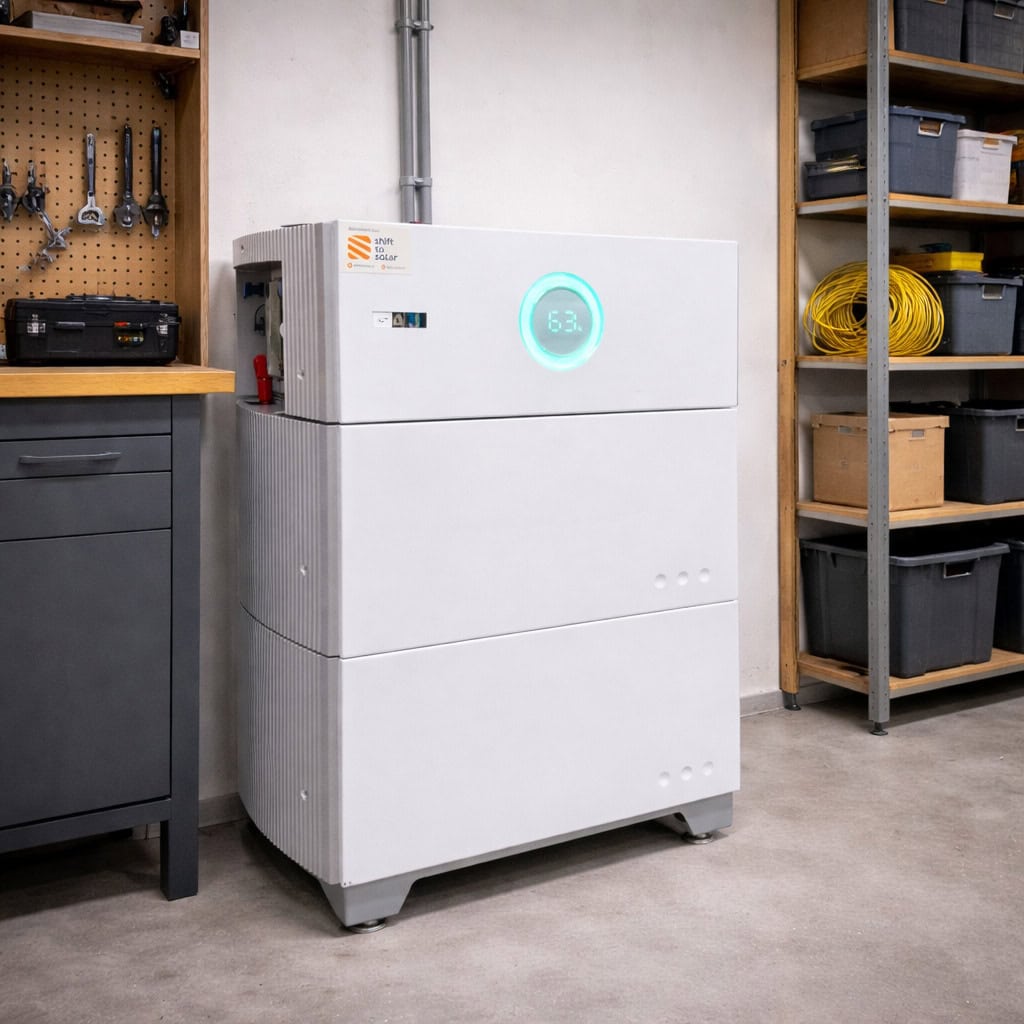
Installing a home battery starts with determining what storage capacity you need. How to choose the best home battery for your needs? Our experienced installers will be happy to advise you. Shift to Solar thoroughly analyses your energy consumption and power production and chooses a battery for maximum efficiency.
Then we provide expert installation, taking into account things like location, temperature and accessibility. So you can be sure of a perfectly working home battery.

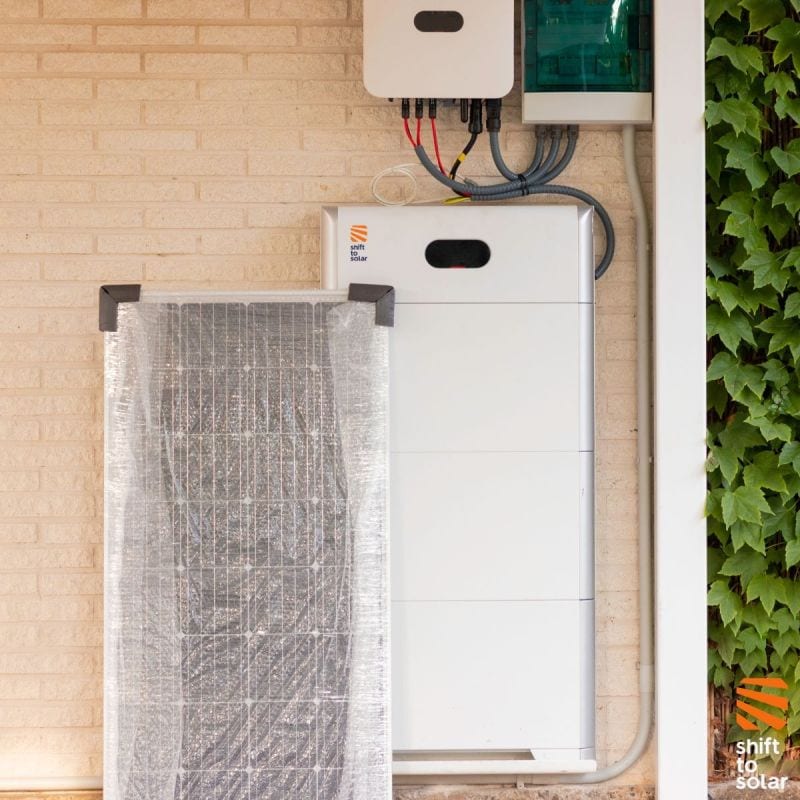
Want to stop unnecessary feed-in at low fees? With a 5 kWh home battery, you keep more of your own generated power in your home. You use your energy when you want to, instead of when the sun shines.
A 5 kWh battery is a smart first step towards greater grid independence. You reduce your purchasing during expensive evening hours and use your solar panels more efficiently. No overcapacity, but a system that suits a conscious investment.
Want to know what this means concretely for your consumption and efficiency? We make it clear based on your situation and advise you honestly whether 5 kWh is the right choice.
Get your free proposalA 5 kWh battery is appropriate in many situations for installations from about 8 to 14 solar panels, depending on the power per panel and your daily consumption.
Calculation example:
An installation of 10 400 Wp panels (4,000 Wp) generates around 3,400 to 4,000 kWh per year on average in the Netherlands, depending on location and orientation. On sunny days, this regularly creates a surplus of several kilowatt hours. Without a battery, you feed that back into the grid.
If you have fewer than 6 panels, then 5 kWh is relatively large in many situations. The battery will then not be fully charged on a daily basis.
Important to know: the right ratio is determined not only by the number of panels, but especially by your daily surplus as well as your evening consumption.
An average household without a heat pump consumes about 2,500 to 3,500 kWh per year. That's an average of 7 to 10 kWh per day.
A 5 kWh battery is especially interesting when you use 3 to 6 kWh daily in the evening and night. Think lights, fridge, TV, cooking and small household consumption.
If you have a heat pump or if you charge an electric car at home, your consumption increases quickly. In that case, 5 kWh covers only part of your evening consumption.
So a 5 kWh battery is especially suitable for homes without large electrical consumers.
It depends on how much power you use in the evening and night.
If you use an average of 4 to 6 kWh in the evening, a 5 kWh battery could theoretically cover a full evening.
Keep in mind that in practice, you can use slightly less than 5 kWh due to losses on charging and discharging. Usually 4 to 4.5 kWh effectively remains usable.
If you have a higher evening peak, for example due to electric cooking or a heat pump, the battery will run down faster.
A battery does not replace the grid, but can limit its use.
In many cases, yes.
A heat pump can consume 10 to 20 kWh per day on cold days. That is considerably more than its storage capacity of 5 kWh.
The battery can then help shift some of your consumption, but it does not cover your entire heat demand.
If you have an all-electric home with a heat pump, then 5 kWh is usually a limited addition and not a complete solution.
An electric car consumes 15 to 20 kWh per 100 kilometres on average.
So with 5 kWh, you can support around 25 to 35 kilometres of driving range when the battery is fully charged.
In practice, storage is mostly used for domestic consumption. For structural charging of a car, 5 kWh is relatively small.
From 1 January 2027, the net-metering scheme will end. This means that for electricity fed back, you will usually receive a lower compensation than what you pay for electricity you buy.
If you have solar panels and regularly supply 3 to 6 kWh back during the day, you will notice the difference.
With 5 kWh storage, you can use more of that surplus yourself instead of feeding it back. With smaller households, this can make a financial difference, especially when evening consumption matches the storage capacity.
The impact is greater when you have structural surplus and relatively high evening consumption.
Total investment depends on:
A 5 kWh home battery costs on average between €2,000 and €6,000 including installation and VAT.
For smaller systems, technical modifications are often more limited than for larger batteries. Still, a fixed price without an understanding of the home remains unrealistic.
We always make a proposal based on your situation.
Most modern home batteries last about 10 to 15 years, depending on usage and quality.
What is important is how many charging cycles the battery can handle. In daily use, this usually means thousands of charging and discharging moments.
Capacity gradually decreases over the years. This happens slowly and usually with no noticeable difference in daily use.
How fast a 5 kWh battery recharges depends on:
For example, if you have 10 solar panels of 400 Wp (4,000 Wp peak power), you can temporarily generate 3 to 4 kW on a sunny day.
Under favourable conditions, an empty 5 kWh battery can then be largely charged within one to two hours.
In practice, it often takes longer because you also use power in the house during the day.
A 5 kWh home battery is relatively compact and therefore flexible to install. Where best to install the battery depends on the space available and the technical situation in your home.
Place inside
A 5 kWh battery is often placed in a garage, utility room, technical room or basement. These spaces are usually dry, easily accessible and close to the meter box.
Indoor placement has the advantage that the battery is less exposed to rain, frost and large temperature fluctuations. This is beneficial for the service life.
Because a 5 kWh system is smaller and lighter than larger variants, a heavy floor construction is often not required. However, sufficient ventilation space should be left around the system.
Placing outside
Many modern home batteries are suitable for outdoor use and have a weatherproof casing.
A 5 kWh battery can be placed against an outside wall or under a canopy, for example. The surface should be flat and stable. The battery should also remain easily accessible for maintenance.
Because the system is compact, outdoor placement is often chosen when indoor space is limited.
Placement considerations
The exact placement is always tailored to the house and the technical situation.
A home battery itself makes virtually no noise. There are no moving parts in the battery cells.
The noise comes mainly from the inverter or cooling system. With a 5 kWh system, it usually stays between 30 and 40 decibels. This is comparable to a quiet fridge or soft background noise.
Because the power of a 5 kWh battery is limited, the cooling system does not have to work as hard as with larger systems. In a garage or technical room, the noise is usually barely audible.
Placement in a bedroom or directly against a thin internal wall is usually not recommended, but in most homes the system is quiet enough for daily use.
Most modern home batteries lose little energy when temporarily unused.
A 5 kWh home battery holds stored power for several days without noticeable loss. The self-discharge of modern lithium batteries is low and usually amounts to only a few percent per month.
In practice, stored energy is usually used within one to two days. Especially in households where power is consumed daily in the evening, the battery will be charged and discharged regularly.
If you leave the battery fully charged for a long time without use, self-discharge gradually occurs. This process occurs slowly.
More important than how long power remains stored is how often the battery is used. A 5 kWh battery is intended for daily cycles: charging during the day, discharging in the evening. This best suits the consumption of smaller households.
So a home battery is not seasonal storage. Storing excess summer energy for months for winter use is not possible. Storage is meant for short-term use, usually within the same day or a few days afterwards.
The payback period depends on the annual savings and the total investment.
The savings arise because you:
A 5 kWh battery can be interesting if it is used daily. If the storage is only partially used, the efficiency is lower.
Factors determining payback period:
As long as full net-metering applies (until 1 January 2027), the financial benefit is more limited. From 2027, it will become more attractive to use your own electricity directly instead of feeding it back.
Efficiency losses must also be taken into account: on average, 8 to 15% of energy is lost when storing and discharging power.
The exact payback period varies from one situation to another. Therefore, a calculation is always tailor-made.
A 5 kWh battery increases your own consumption, but does not make your home completely independent of the grid.
In spring and summer, much of your evening consumption can come from the battery.
In winter, the output of solar panels is lower. The battery is then less often fully charged.
For many smaller households, 5 kWh storage means that:
How big that effect is depends on:
A 5 kWh battery increases your independence but does not completely replace the electricity grid.




 Dutch
Dutch
 English